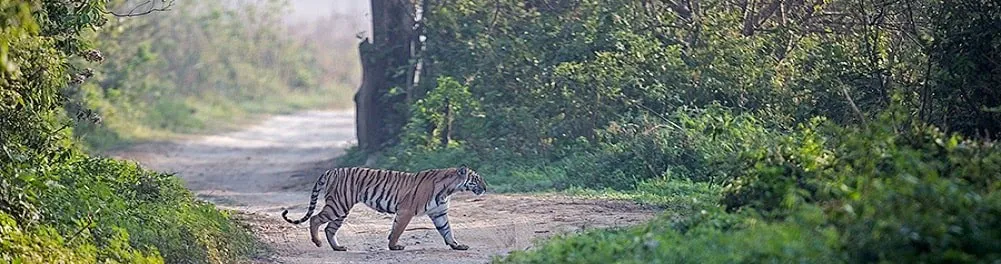
When people hear the name Jim Corbett, they usually think of tiger safaris, jeep rides, and luxury resorts. But beneath the surface lies a rich history filled with forgotten stories, colonial-era mysteries, conservation milestones, and local legends that even frequent visitors rarely hear about. For travellers weighing their options, our farmstay vs resort comparison highlights what boutique properties offer beyond standard hotel experiences.
If you’re planning a trip to Ramnagar or simply love discovering hidden stories behind famous destinations, these lesser-known facts about Jim Corbett National Park will give you a whole new perspective on India’s oldest national park.
1. Jim Corbett National Park Was Not Always Called “Corbett”
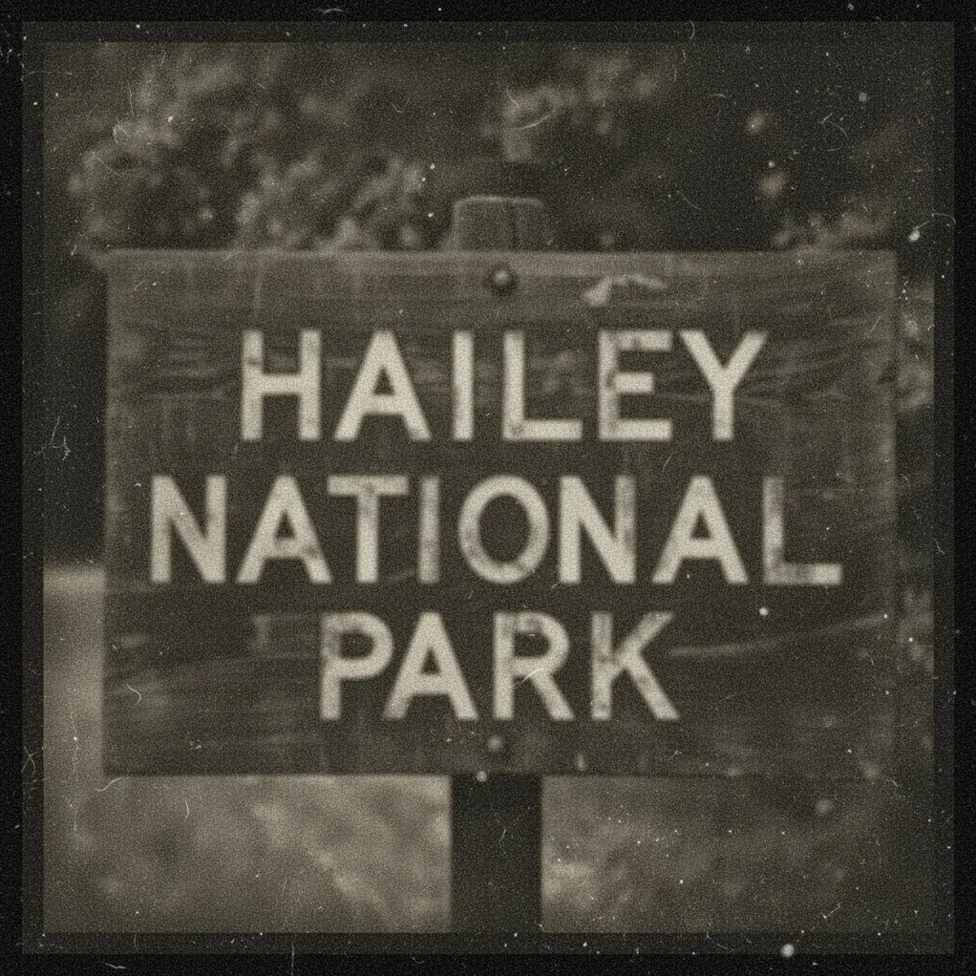
Many visitors assume the park was always named after the legendary hunter-turned-conservationist Jim Corbett.
In reality, the park has gone through several names. Established in 1936, it was originally known as Hailey National Park, named after Sir Malcolm Hailey, the Governor of the United Provinces. It was later renamed Ramganga National Park, before finally becoming Jim Corbett National Park in 1957.
Few protected areas in India have undergone such an interesting identity transformation.
2. India’s First National Park Was Created Here
Long before wildlife tourism became popular, the forests around Ramnagar became the birthplace of India’s national park movement.
Jim Corbett National Park became the country’s first national park in 1936, decades before most other famous reserves were established.
This makes the region not just a wildlife destination but also an important chapter in India’s conservation history.
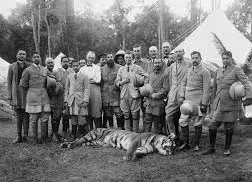
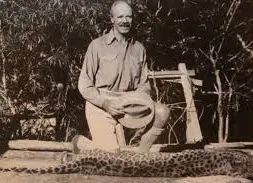
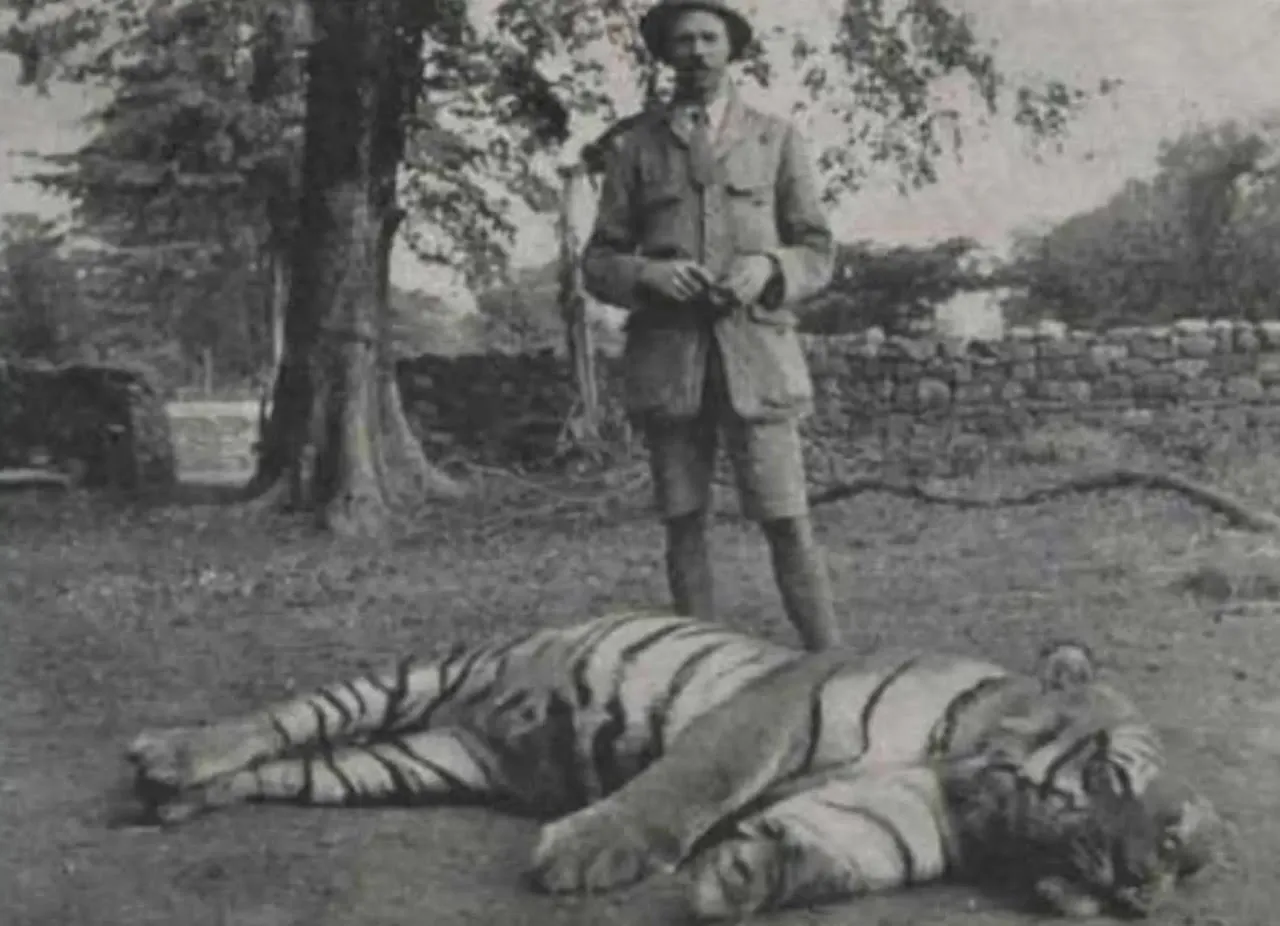
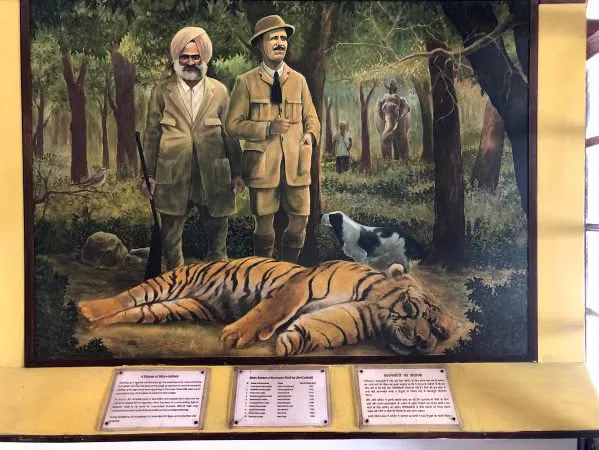
3. Jim Corbett Hunted Man-Eaters—but Protected Wildlife
Many people know Jim Corbett as a hunter, but fewer know that he strongly opposed indiscriminate hunting.
Corbett only tracked animals that had become man-eaters, often after being injured by human activity. He spent years advocating for wildlife protection and warning against habitat destruction.
Ironically, one of India’s most famous hunters became one of its earliest conservationists.
4. The Ramganga River Is the Real Lifeline of Corbett
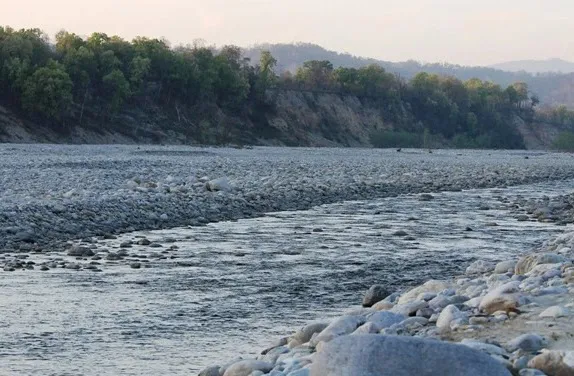
While tigers get most of the attention, the true heart of the park is the Ramganga River.
The river sustains countless species including elephants, crocodiles, otters, fish, and hundreds of bird species. During summer, wildlife sightings often concentrate around the river and its reservoirs.
Without the Ramganga, the ecosystem we know today would look very different.
5. Ramnagar Was Once a Strategic Trade Route
Long before safari vehicles arrived, Ramnagar served as an important gateway between the Kumaon hills and the plains.
Merchants, travelers, and forest workers frequently passed through the region, contributing to its growth as a commercial hub. Its strategic location remains one reason why it became the primary entry point for visitors heading into Corbett.
6. The Famous Dhikala Zone Was Once Accessible Only to a Few
Today, Dhikala is considered the crown jewel of Corbett.
However, decades ago, visiting the interior forests required far more effort. Poor roads, limited accommodation, and strict access controls meant only a small number of explorers, forest officials, and naturalists could experience the vast grasslands and river valleys.
The exclusivity of Dhikala helped preserve its wilderness character.
7. Corbett Is Home to More Than Tigers
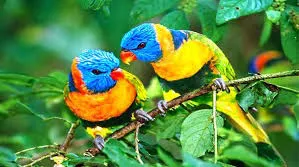
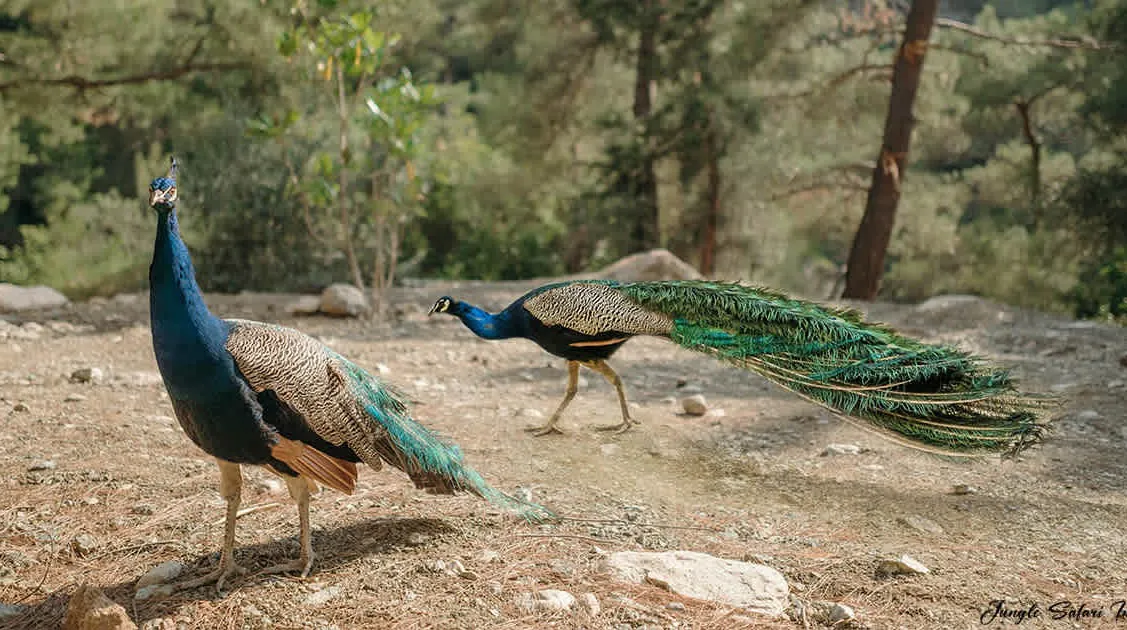
The park’s reputation revolves around tigers, but its biodiversity is extraordinary.
Visitors may encounter elephants, leopards, crocodiles, gharials, barking deer, sambar, hog deer, otters, and more than 600 species of birds.
For birdwatchers, Corbett is often considered one of the finest destinations in northern India.
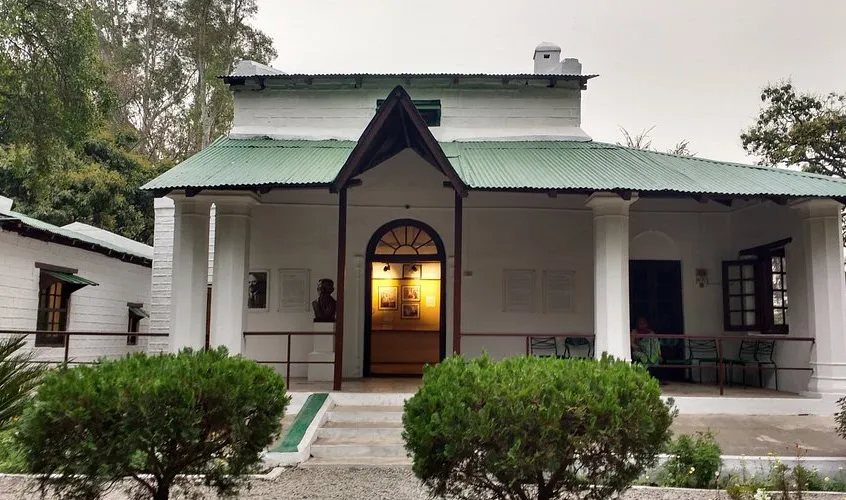
8. Jim Corbett’s Home Still Exists
Many tourists never realize they can visit the house where Jim Corbett once lived.
Located in Kaladhungi, the historic residence has been converted into a museum showcasing personal belongings, photographs, hunting memorabilia, and stories from his life.
It offers a fascinating glimpse into the man behind the legend.
9. Some Forest Rest Houses Are Older Than Independent India
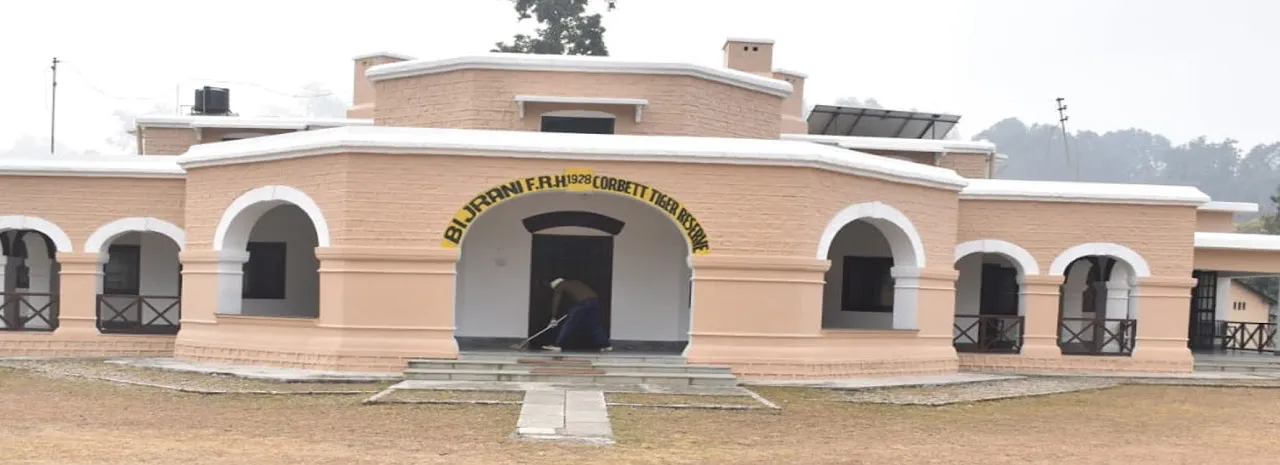
Scattered across the reserve are historic forest rest houses that date back to the British era.
These structures were originally built for forest officers and naturalists. Staying in one of these heritage accommodations feels like stepping back into a different era of Indian wildlife exploration.
10. The Park Inspired Wildlife Conservation Across India
Corbett became one of the earliest examples proving that wildlife protection could succeed when forests were carefully managed.
The lessons learned here later influenced conservation policies and protected-area management across the country.
Its impact extends far beyond Uttarakhand.
Frequently Asked Questions
What was the original name of Jim Corbett National Park?
When established in 1936, the park was originally called Hailey National Park, named after Sir Malcolm Hailey, the Governor of the United Provinces. It was later renamed Ramganga National Park before finally becoming Jim Corbett National Park in 1957.
When was Jim Corbett National Park established?
Jim Corbett National Park was established in 1936 as India's first national park, decades before most other famous reserves were created. This makes it not just a wildlife destination but also a landmark in India's conservation history.
Was Jim Corbett a hunter or a conservationist?
He was both. Jim Corbett hunted man-eating tigers and leopards that threatened local communities, but he strongly opposed indiscriminate hunting. He spent years advocating for wildlife protection and warning against habitat destruction, making him one of India's earliest conservationists.
Why is the Ramganga River important for Corbett?
The Ramganga River is the real lifeline of the park. It sustains countless species including elephants, crocodiles, otters, fish, and hundreds of bird species. During summer, wildlife sightings often concentrate around the river and its reservoirs.
Where can I visit Jim Corbett's former home?
Jim Corbett's historic residence is located in Kaladhungi and has been converted into a museum. It showcases his personal belongings, photographs, hunting memorabilia, and stories from his life, offering a fascinating glimpse into the man behind the legend.
Are there historic forest rest houses in Corbett?
Yes, scattered across the reserve are historic forest rest houses dating back to the British era. These structures were originally built for forest officers and naturalists, and staying in one feels like stepping back into a different era of Indian wildlife exploration.
What wildlife can visitors see beyond tigers in Corbett?
Visitors may encounter elephants, leopards, crocodiles, gharials, barking deer, sambar, hog deer, otters, and more than 600 species of birds. Corbett is also considered one of the finest birdwatching destinations in northern India.
Final Thoughts
Jim Corbett National Park is far more than a tiger reserve. It is a place where conservation history, colonial heritage, local culture, and extraordinary biodiversity come together.
The next time you visit Ramnagar, look beyond the safari checklist. Explore the stories, rivers, old rest houses, and historical landmarks that make this landscape one of India’s most fascinating destinations.
You may discover that the most memorable part of Corbett isn’t the tiger you spot—it’s the story you uncover.
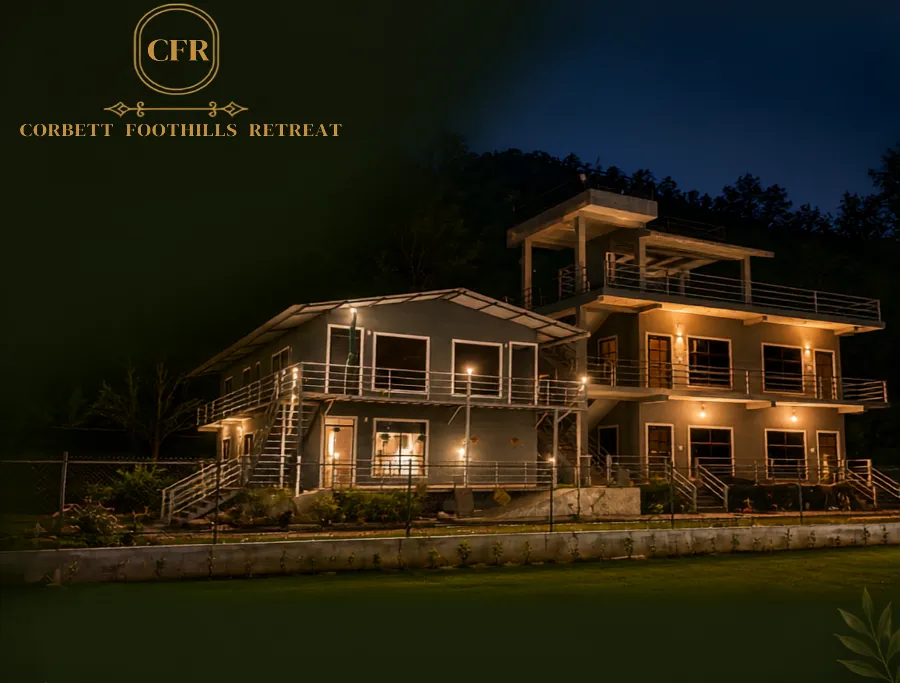
Plan Your Stay at Corbett Foothills Retreat
Experience the tranquility of a boutique farmstay with personalised hospitality, organic farm-to-table dining, and easy access to Jim Corbett National Park.