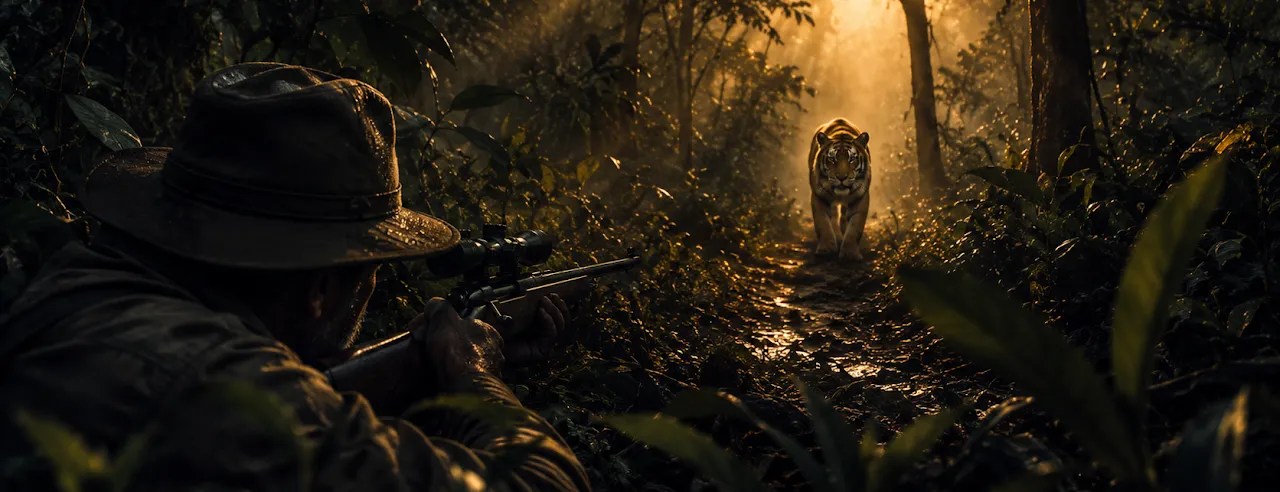
Imagine a time when entire villages would shut their doors before sunset. Mothers feared sending children to fetch water. Farmers abandoned fertile fields. Footpaths through the forests of Kumaon and Garhwal became corridors of terror.
This was northern India in the late 19th and early 20th centuries — a time when several man-eating tigers and leopards turned vast regions into landscapes of fear.
And when fear reached its breaking point, villagers sent for one man.
Jim Corbett.
Armed with a rifle, unmatched tracking skills, and extraordinary courage, Corbett hunted some of the most dangerous predators in recorded history. Yet his story is far more remarkable than that of a hunter. It is the story of a man who risked his life to save thousands, only to later become one of India’s earliest and most influential conservationists.
The Champawat Tigress: 436 Victims
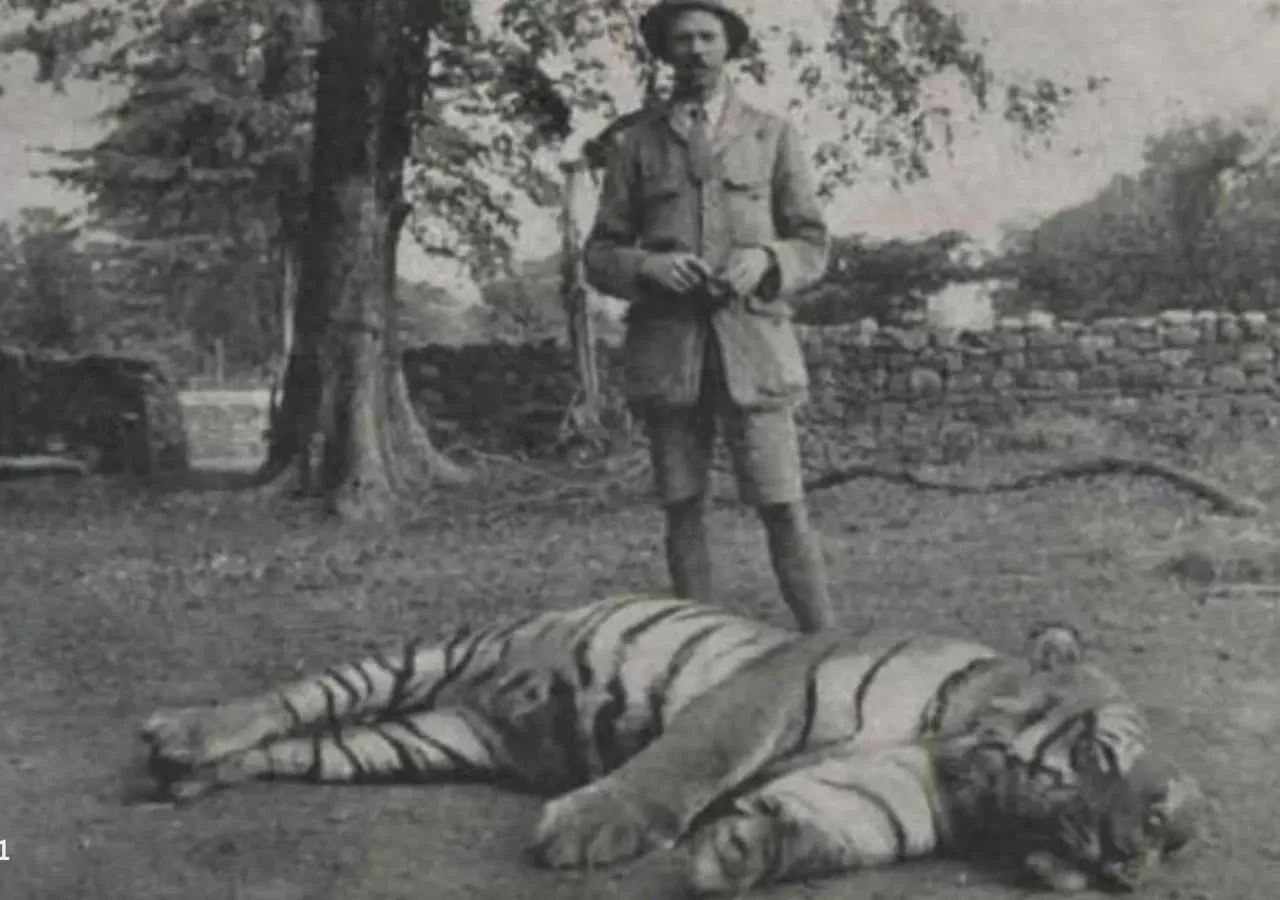
No animal in recorded history is believed to have killed more people than the infamous Champawat Tigress.
Originally active in Nepal, the tigress was blamed for hundreds of deaths before being driven across the border into India. Once in Kumaon, the attacks continued.
Villagers lived in constant fear. Women collecting firewood vanished. Children disappeared while walking between villages. Entire communities altered their daily routines to avoid becoming the next victim.
By the time Jim Corbett tracked and killed the tigress in 1907, she was believed to have claimed approximately 436 lives.
The final hunt became legendary. Corbett followed the tigress after she killed a young girl and eventually cornered her near Champawat. A single successful shot ended one of the deadliest reigns of terror ever recorded.
The Panar Leopard: The Ghost of Kumaon
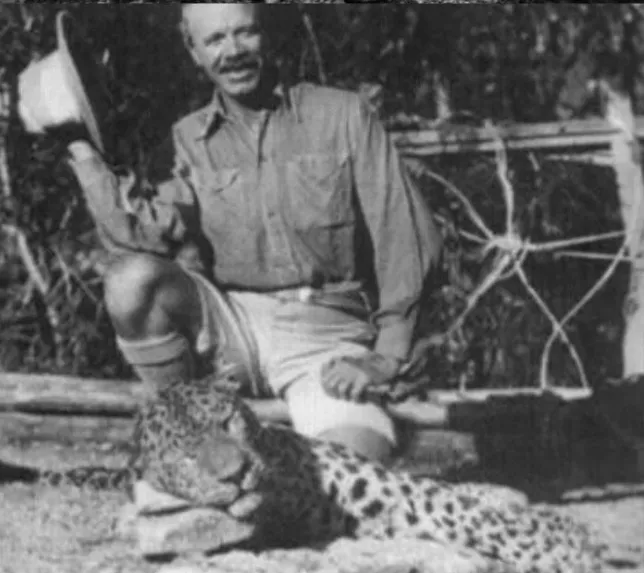
If the Champawat Tigress was terrifying, the Panar Leopard was something else entirely.
Leopards are naturally elusive and often far harder to track than tigers. This particular leopard became a nightmare for villagers across Kumaon and was linked to around 400 deaths.
Unlike tigers, which often attack during daylight, man-eating leopards frequently hunted at night. They entered villages silently, lifted victims from their homes, and vanished into darkness.
Tracking such an animal required patience bordering on obsession.
Corbett spent countless nights waiting in trees, studying tracks, and analyzing attack patterns before finally ending the leopard’s deadly career.
The Chowgarh Tigress
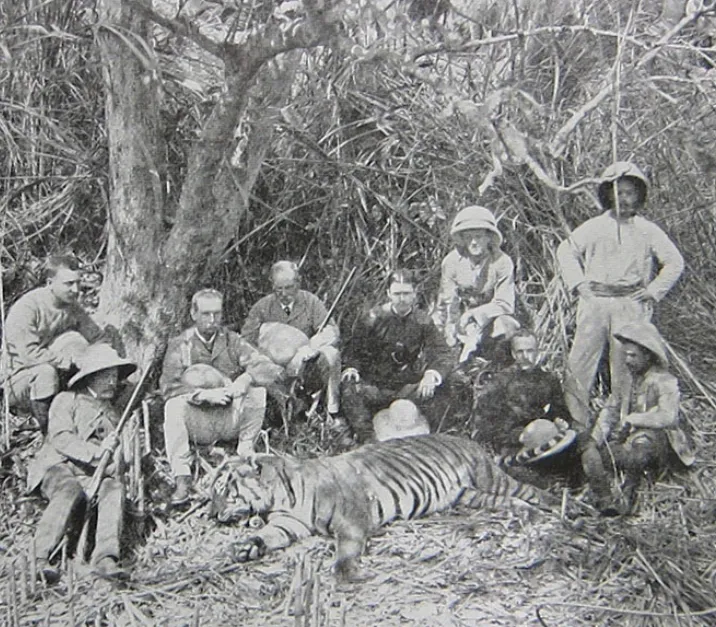
The Chowgarh Tigress and her cub terrorized the region for years.
Together they were believed responsible for approximately 64 human deaths.
Corbett eventually discovered that the tigress suffered from injuries that made hunting natural prey difficult. Unable to catch deer and wild boar effectively, she had turned to easier targets — humans.
This realization would later shape Corbett’s views on wildlife conservation.
The Thak Man-Eater
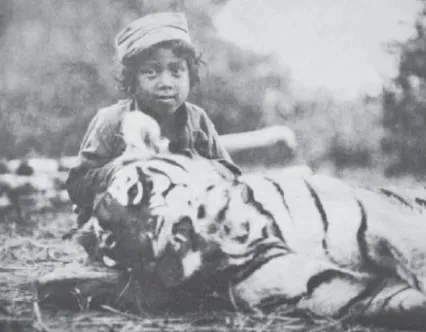
The Thak Tigress became Jim Corbett’s final man-eater.
Though responsible for far fewer casualties than some others — around four confirmed deaths — she was among the most difficult to hunt.
Corbett pursued her through rugged terrain and dense forests before successfully ending her attacks.
After this hunt, he largely retired from pursuing man-eaters.
The Rudraprayag Leopard: Eight Years of Fear
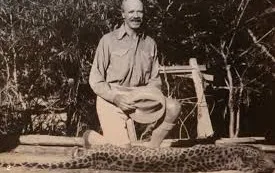
Perhaps no predator tested Corbett’s patience more than the Leopard of Rudraprayag. For nearly eight years, the animal terrorized pilgrims traveling to the sacred shrines of Kedarnath and Badrinath. The leopard was blamed for more than 125 deaths.
Pilgrims refused to travel after dark. Entire villages lived under siege. The leopard seemed almost supernatural. Traps failed. Baits failed. Hunting parties failed. Corbett spent months studying its behavior before finally succeeding where countless others had failed.
Even today, the story of the Rudraprayag Leopard remains one of the most chilling wildlife accounts ever recorded.
How Jim Corbett Hunted Man-Eaters
What made Corbett different from other hunters?
It wasn’t superior weapons. It was superior understanding.
Reading the Jungle
Corbett could interpret tiny details invisible to most people:
- Fresh paw prints
- Broken grass stems
- Disturbed leaves
- Alarm calls from birds
- The behavior of monkeys and deer
The forest itself became his guide.
Understanding Animal Psychology
Instead of simply searching for a tiger, Corbett tried to think like one.
He studied:
- Attack locations
- Time of attacks
- Escape routes
- Resting areas
- Water sources
This allowed him to predict where a man-eater would appear next.
Hunting Alone
Many professional hunters relied on large teams.
Corbett often worked alone or with minimal assistance. A large group created noise and confusion. Corbett preferred stealth, patience, and observation.
Waiting for Days
Some hunts required extraordinary patience.
Corbett would sit motionless on a machan for entire nights. Sometimes he waited several days for a single opportunity.
Respect for the Animal
Unlike many hunters of his era, Corbett admired the animals he pursued.
He repeatedly emphasized that most man-eaters became dangerous because of injuries, old age, or human interference.
This insight made him one of the first people to challenge the idea that tigers were naturally bloodthirsty killers.
From Hunter to Conservationist
The greatest twist in Jim Corbett’s story is that he eventually became a champion of the very animals he once hunted.
His experiences convinced him that India’s wildlife needed protection.
He wrote bestselling books such as Man-Eaters of Kumaon, The Temple Tiger, and Jungle Lore, introducing readers worldwide to the beauty and complexity of India’s forests.
His advocacy helped inspire future conservation efforts and contributed to the protection of habitats that remain vital today.
The Legacy Lives On
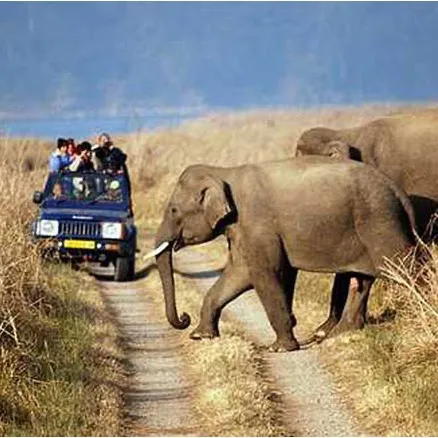
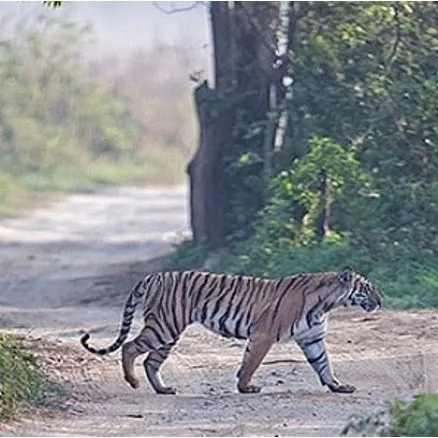
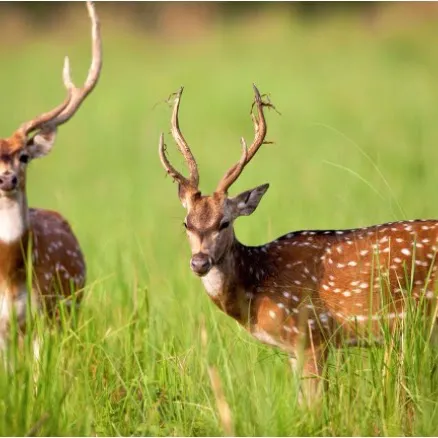
Today, the forests where Corbett tracked man-eaters are among the most celebrated wildlife destinations in the world. Plan your visit to explore these historic forests and experience the wildlife that Jim Corbett dedicated his life to protecting. Named in his honour, Jim Corbett National Park stands as a reminder of a remarkable transformation—a hunter who became a protector. More than a century later, visitors still explore the same forests, listen to the same alarm calls, and imagine the courage it took to follow a man-eater into the jungle armed with little more than a rifle and unwavering determination. Whether you prefer a boutique farmstay or a large resort, the Corbett region offers accommodation options for every kind of traveller.
Frequently Asked Questions
How many people did the Champawat Tigress kill?
The Champawat Tigress is believed to have claimed approximately 436 lives, making her the deadliest man-eater in recorded history. Jim Corbett tracked and killed the tigress in 1907 after she had terrorised villages in Nepal and the Kumaon region of India.
What made the Panar Leopard so difficult to hunt?
The Panar Leopard was particularly dangerous because it hunted at night, entering villages silently and lifting victims from their homes. Leopards are naturally elusive and far harder to track than tigers. Corbett spent countless nights waiting in trees and studying attack patterns before finally ending its deadly career.
How many major man-eaters did Jim Corbett hunt?
The article covers five major man-eaters hunted by Corbett: the Champawat Tigress (436 victims), the Panar Leopard (400 deaths), the Chowgarh Tigress and her cub (64 deaths), the Rudraprayag Leopard (125+ deaths over eight years), and the Thak Tigress (four deaths), which was his final man-eater.
What made Jim Corbett's hunting methods unique?
Unlike most hunters, Corbett relied on superior understanding rather than superior weapons. He could read tiny details in the jungle such as fresh paw prints, broken grass stems, and alarm calls from birds. He studied animal psychology, often hunted alone, and would wait motionless on a machan for entire nights or even days for a single opportunity.
Did Jim Corbett eventually become a conservationist?
Yes, Jim Corbett evolved from a hunter into one of India's earliest and most influential conservationists. He repeatedly emphasised that most man-eaters became dangerous because of injuries, old age, or human interference. His experiences convinced him that India's wildlife needed protection, and he challenged the idea that tigers were naturally bloodthirsty killers.
What books did Jim Corbett write?
Jim Corbett wrote several bestselling books including Man-Eaters of Kumaon, The Temple Tiger, and Jungle Lore. These books introduced readers worldwide to the beauty and complexity of India's forests and helped inspire future conservation efforts.
How did the Rudraprayag Leopard terrorise the region?
The Rudraprayag Leopard terrorised pilgrims travelling to the sacred shrines of Kedarnath and Badrinath for nearly eight years. Blamed for more than 125 deaths, it seemed almost supernatural — traps failed, baits failed, and hunting parties failed. Corbett spent months studying its behaviour before finally succeeding.
Few people have shaped the history of India’s wilderness as profoundly as Jim Corbett. His adventures read like a thriller, but his legacy is far greater than any hunt. He taught the world that understanding wildlife is far more powerful than fearing it.
Plan Your Stay at Corbett Foothills Retreat
Experience the tranquility of a boutique farmstay with personalised hospitality, organic farm-to-table dining, and easy access to Jim Corbett National Park.