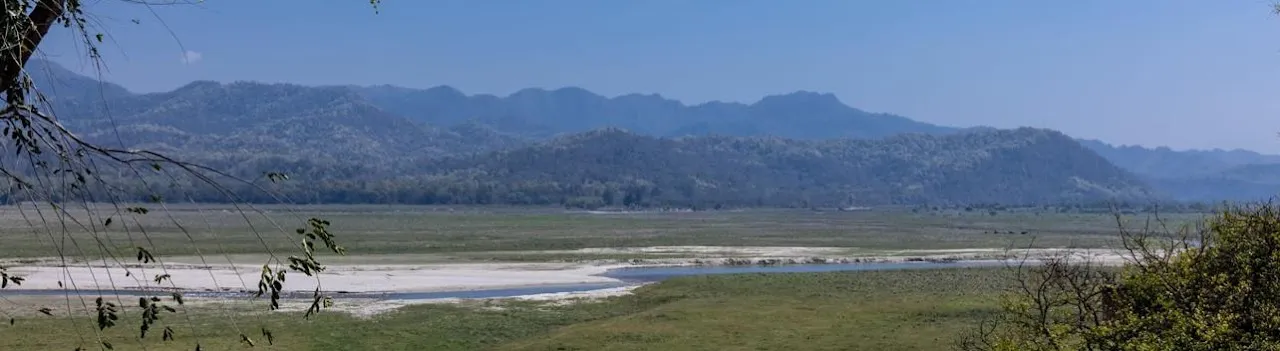
Jim Corbett National Park is one of India’s most iconic wildlife destinations, attracting nature lovers, wildlife enthusiasts, birdwatchers, photographers, and families throughout the year. Located in the foothills of the Himalayas in Uttarakhand, the park offers unique experiences across different seasons. However, the best time to visit depends largely on what you wish to experience during your trip.
Whether you’re planning a thrilling jungle safari, a peaceful family vacation, or a relaxing nature retreat, this guide will help you choose the ideal time to visit Jim Corbett National Park in 2026. Once you have decided on your dates, check our travel guide for detailed directions and travel tips.
March to June: Best Time for Wildlife Sightings
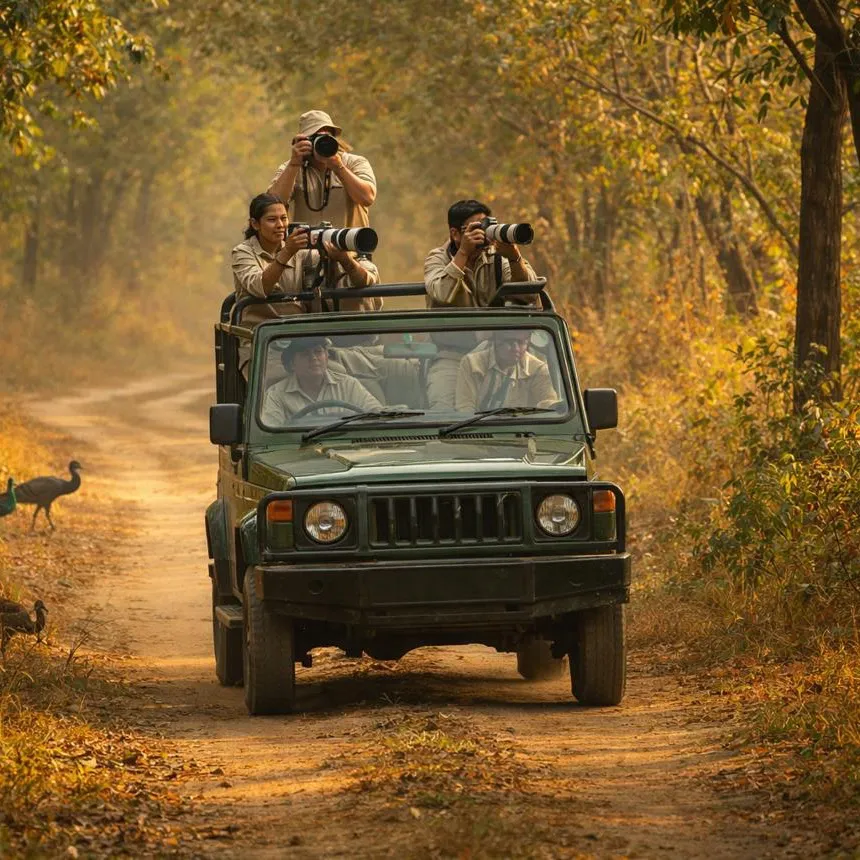
As temperatures rise during summer, wildlife sightings become more frequent around water sources, making this one of the most rewarding periods for safari enthusiasts and wildlife photographers.
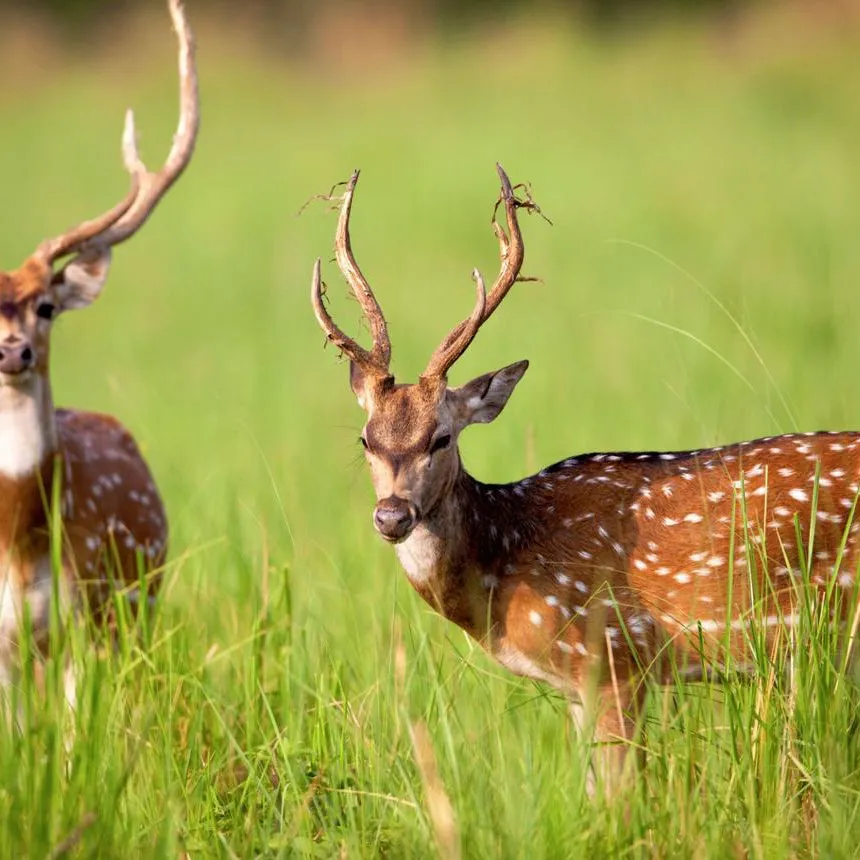
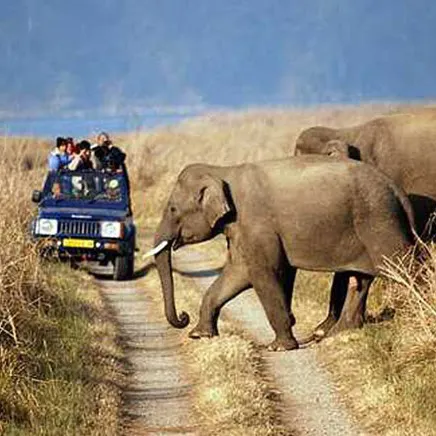
Temperatures can range between 25°C and 40°C, but early morning and evening safaris remain enjoyable. During these months, animals often emerge from dense vegetation in search of water, increasing the chances of spotting elephants, deer, and other wildlife.
For visitors hoping to maximize their safari experience, this season offers some of the best opportunities for wildlife encounters.
Why Visit During This Season?
- Higher chances of wildlife sightings
- Excellent safari opportunities
- Ideal for wildlife photography
- Less crowded weekdays compared to winter
October to February: The Most Pleasant Season
The period from October to February is widely considered the best time to visit Jim Corbett National Park. The weather remains cool and comfortable, making it ideal for safaris, sightseeing, birdwatching, and outdoor activities.
Day temperatures typically range between 15°C and 25°C, while mornings and evenings can be pleasantly chilly. The post-monsoon landscape is lush and vibrant, offering stunning views of forests, grasslands, and riverbeds.
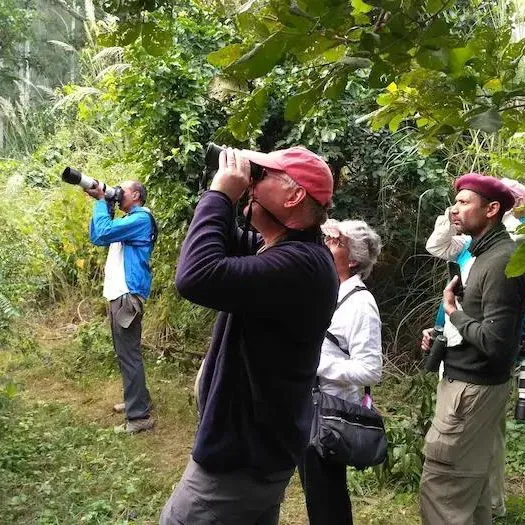
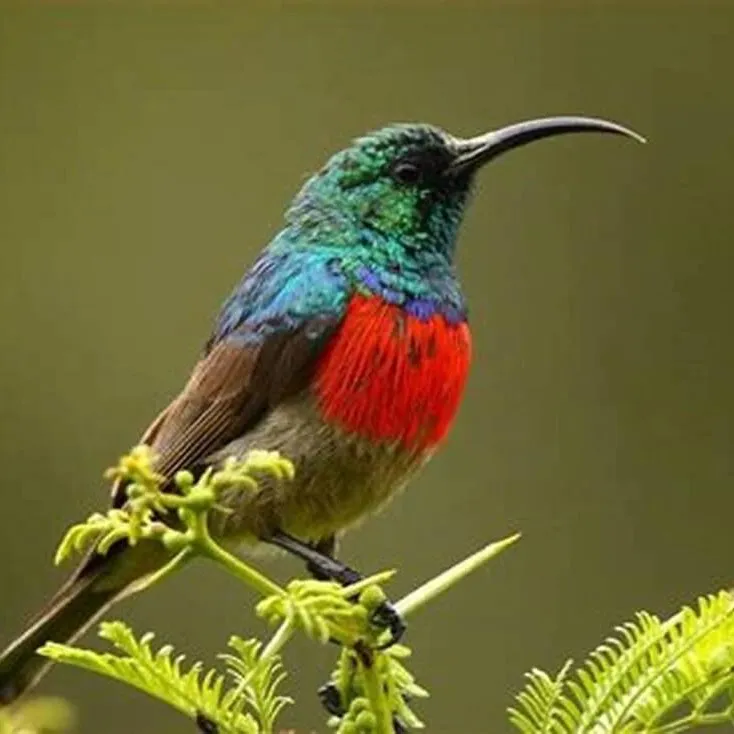
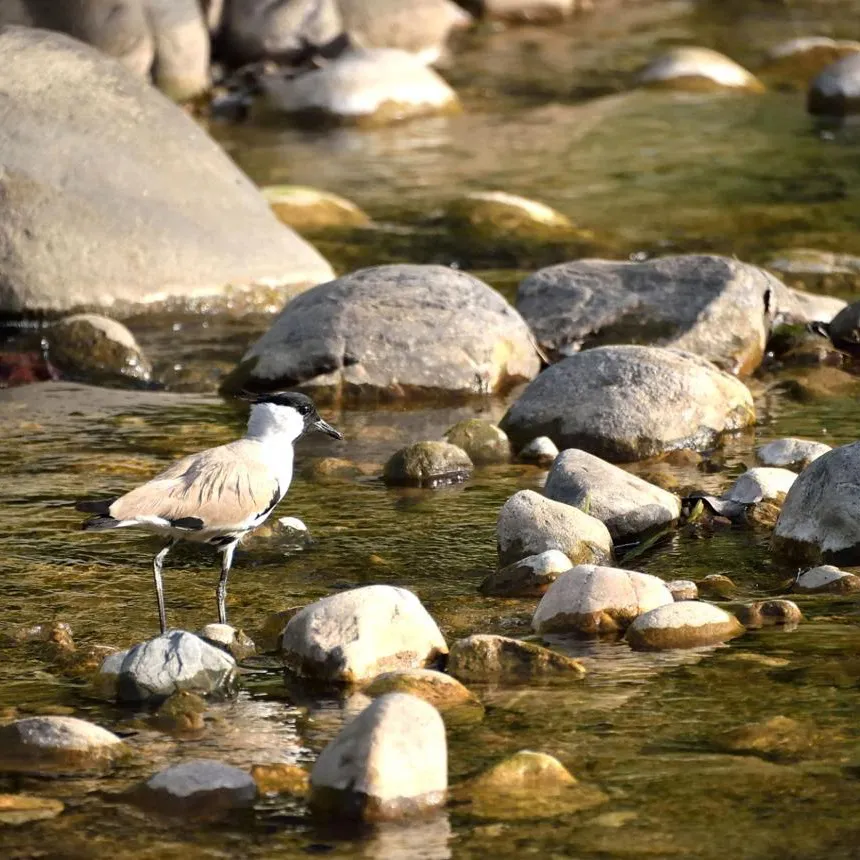
Birdwatching enthusiasts should plan their visit between November and February. During this period, the region hosts a variety of resident and migratory bird species. Early mornings are especially rewarding, with opportunities to observe kingfishers, woodpeckers, barbets, hornbills, eagles, and many other fascinating species in their natural habitat.
For guests staying at Corbett Foothills Retreat, the months from October to February offer an especially rewarding experience. Compared to large resorts, our boutique farmstay provides a more intimate connection with the season’s beauty. The cool weather, vibrant forest landscapes, and abundant birdlife create the perfect setting for a slow and restorative getaway. With just six thoughtfully designed suites, the retreat offers an intimate atmosphere where guests can enjoy personalized hospitality, peaceful forest views, and a rare opportunity to disconnect from city life and reconnect with nature.
Why Visit During This Season?
- Comfortable weather
- Excellent wildlife viewing opportunities
- Peak birdwatching season
- Ideal for families and couples
- Beautiful green landscapes after the monsoon
July to September: Monsoon Magic
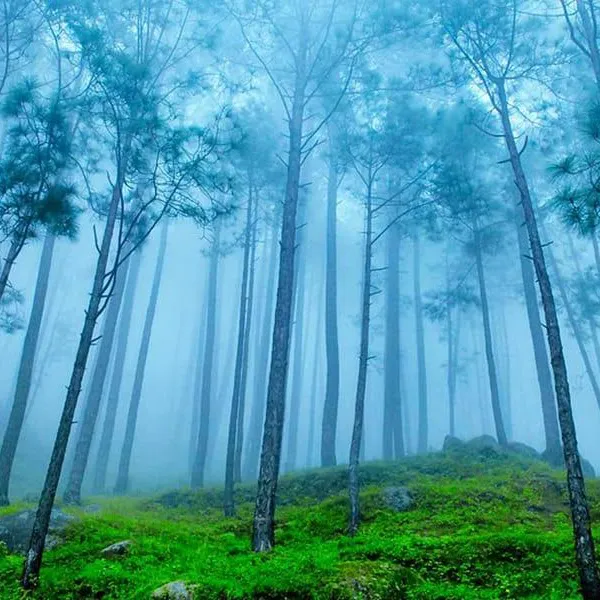
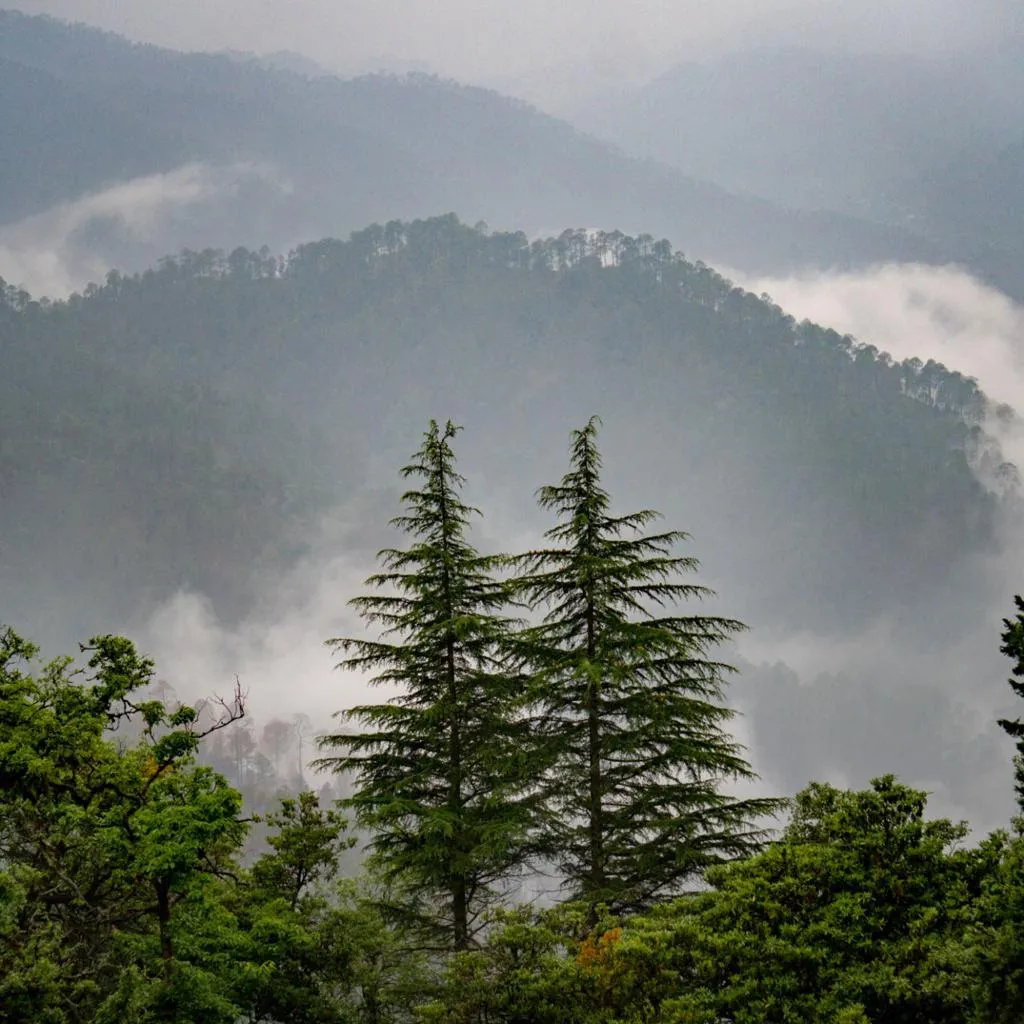
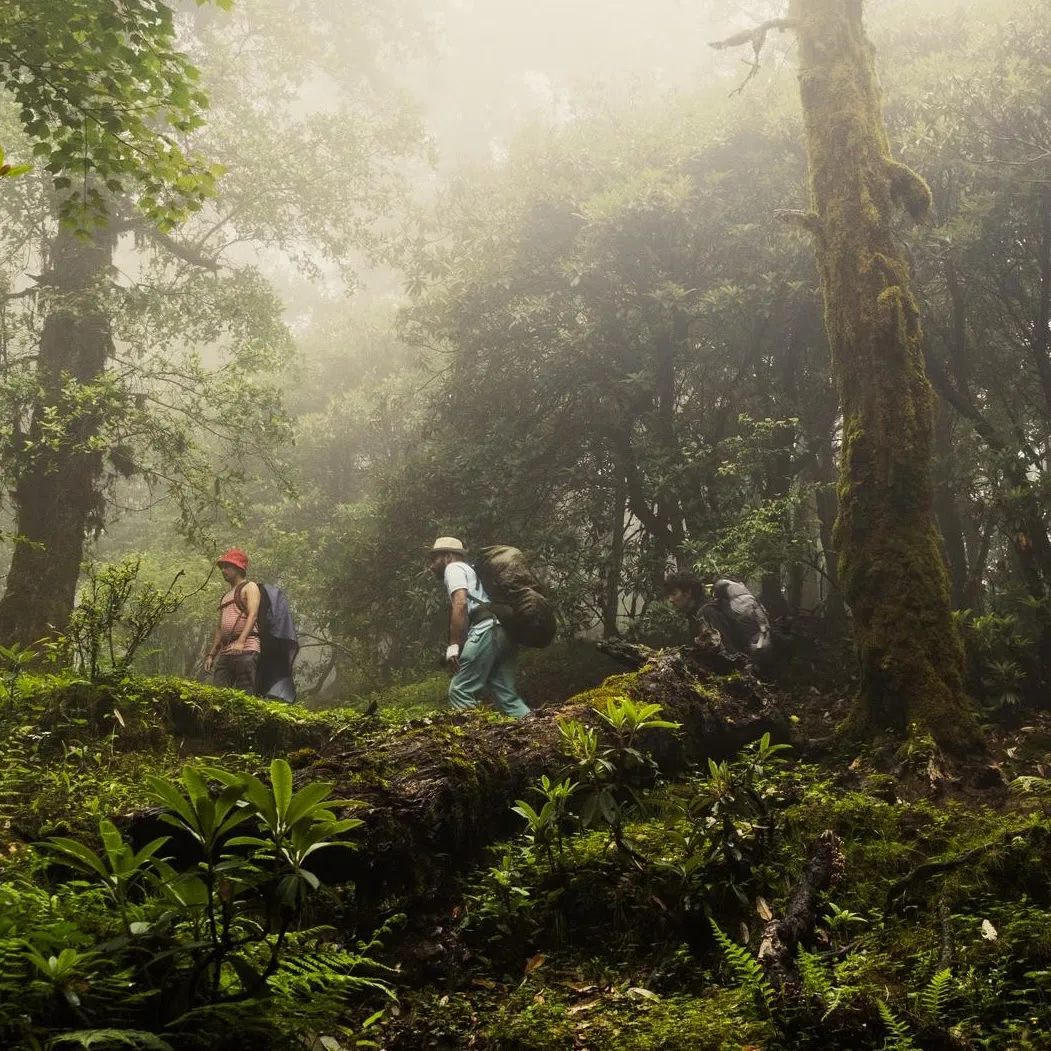
The monsoon season transforms the Corbett landscape into a lush green paradise. The forests appear refreshed, streams flow abundantly, and the entire region takes on a tranquil charm.
While some safari zones may remain closed during parts of the monsoon season, visitors seeking relaxation, scenic beauty, and a peaceful nature retreat often find this period particularly rewarding.
During the monsoon season, Corbett Foothills Retreat becomes a sanctuary of lush greenery and quiet rejuvenation. Surrounded by rain-washed forests and vibrant landscapes, guests can embrace a slower pace of life, unwind amidst nature, and enjoy uninterrupted moments of peace. With only six exclusive suites and personalized hospitality, the retreat offers an intimate setting to experience the magic of Corbett’s most refreshing and picturesque season.
Why Visit During This Season?
- Stunning green landscapes
- Fewer crowds
- Peaceful atmosphere
- Ideal for relaxation and nature lovers
- Beautiful photography opportunities
So, When Should You Visit Jim Corbett in 2026?
If you’re looking for pleasant weather and birdwatching opportunities, visit between October and February.
If your priority is wildlife sightings and safari experiences, plan your trip between March and June.
If you prefer lush greenery, peaceful surroundings, and fewer tourists, consider visiting during the monsoon season.
Regardless of when you choose to visit, Jim Corbett National Park offers a unique experience that combines wildlife, natural beauty, adventure, and relaxation.
Stay Close to Nature at Corbett Foothills Retreat
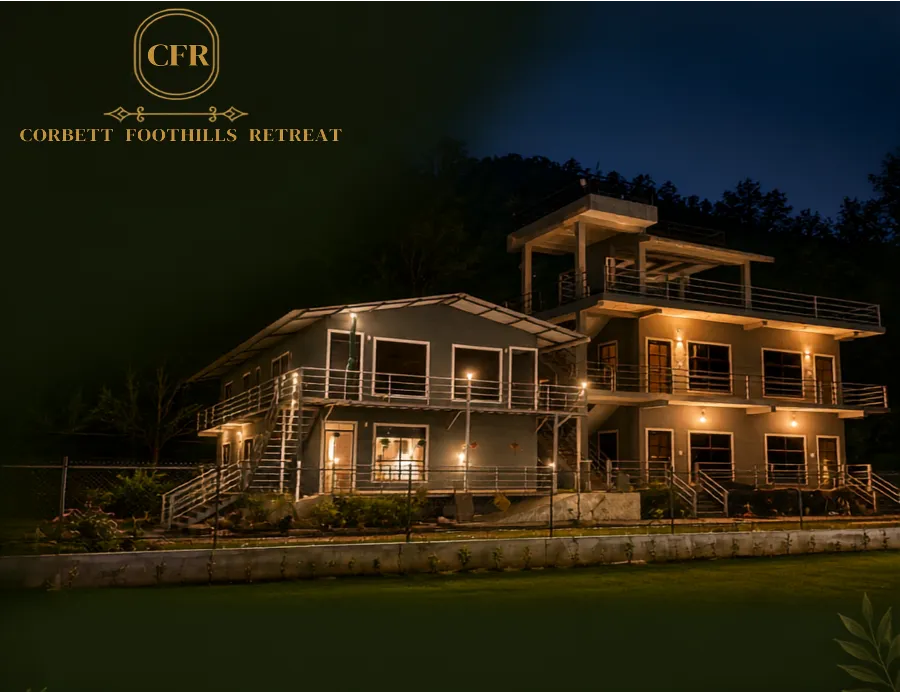
Located just 8 km from Jim Corbett National Park and surrounded by peaceful natural surroundings, Corbett Foothills Retreat offers an intimate and relaxing base for exploring the region.
With only six exclusive suites, personalized hospitality, pet-friendly accommodation, organic farming experiences, and easy access to major attractions, it is the perfect destination for families, couples, and nature lovers looking to experience the best of Corbett. Book your stay today.

Frequently Asked Questions
What is the best time to visit Jim Corbett National Park for wildlife sightings?
March to June is considered the best period for wildlife sightings. As temperatures rise during summer, animals gather around water sources, making them more visible. Early morning and evening safaris during this season offer excellent opportunities to spot elephants, deer, and other wildlife.
Which season offers the most pleasant weather in Corbett?
October to February is widely considered the best time for comfortable weather. Day temperatures typically range between 15°C and 25°C, with pleasantly chilly mornings and evenings. The post-monsoon landscape is lush and vibrant, making it ideal for safaris, sightseeing, and outdoor activities.
When is the best time for birdwatching in Corbett?
Birdwatching enthusiasts should plan their visit between November and February. During this period, the region hosts a variety of resident and migratory bird species. Early mornings are especially rewarding, with opportunities to observe kingfishers, woodpeckers, barbets, hornbills, eagles, and many other species.
Is the monsoon season a good time to visit Corbett?
Yes, the monsoon season from July to September transforms Corbett into a lush green paradise with stunning landscapes and fewer crowds. However, some safari zones may remain closed during parts of this season. It is best suited for visitors seeking relaxation, scenic beauty, and a peaceful nature retreat.
What is the temperature range in Corbett during summer?
During the summer season from March to June, temperatures in Corbett can range between 25°C and 40°C. Despite the heat, early morning and evening safaris remain enjoyable, and this period offers some of the best wildlife encounters of the year.
When should I visit Corbett for a quiet, less crowded trip?
The monsoon season from July to September offers the most peaceful experience with fewer tourists. The rain-washed forests, abundant streams, and tranquil atmosphere make it ideal for nature lovers and those looking to unwind away from crowds.
Plan Your Stay at Corbett Foothills Retreat
Experience the tranquility of a boutique farmstay with personalised hospitality, organic farm-to-table dining, and easy access to Jim Corbett National Park.