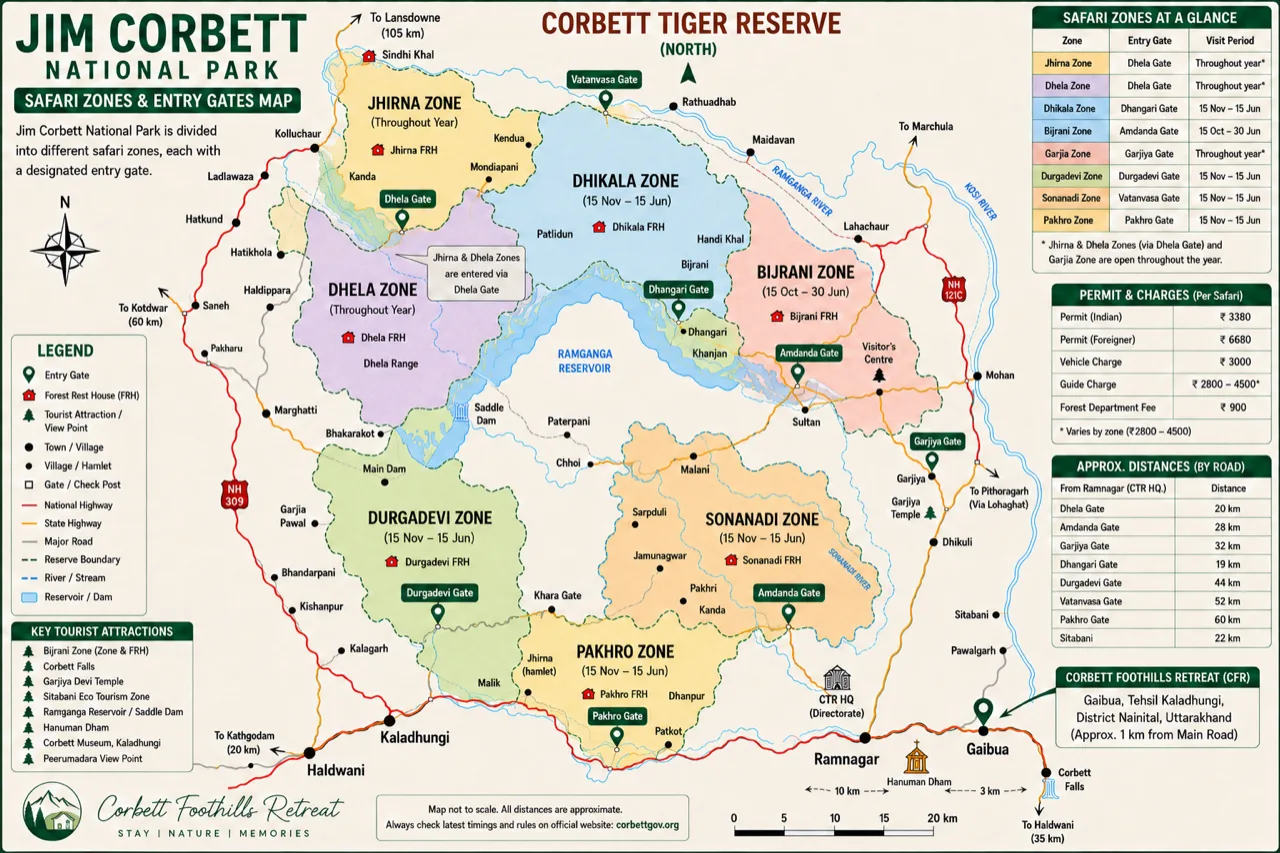
Everything You Need to Know About Safari Zones, Pricing, Tiger Sightings & Booking Process
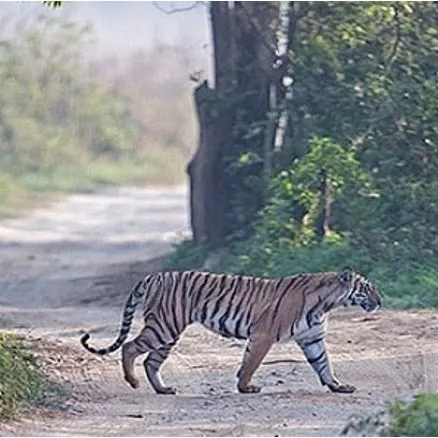
Jim Corbett National Park remains one of India’s most sought-after wildlife destinations and is renowned for its rich biodiversity, scenic landscapes, and, most importantly, its thriving Bengal tiger population. Every year, thousands of visitors travel to Corbett hoping to experience the thrill of spotting wildlife in its natural habitat.
If you’re planning a trip in 2026, understanding the safari booking process, safari zones, pricing, and the best areas for wildlife sightings can significantly improve your experience. Start by reading our complete travel guide for directions and transport options.
This guide covers everything you need to know before booking your Jim Corbett safari.
Why Visit Jim Corbett National Park?
Established in 1936 as India’s first national park, Jim Corbett National Park spans over 500 square kilometres of forests, grasslands, rivers, and hills in Uttarakhand.
The park is home to:
- Bengal Tigers
- Asian Elephants
- Leopards
- Sloth Bears
- Crocodiles
- Deer Species
- More than 600 bird species
A safari through Corbett offers a rare opportunity to witness these magnificent creatures in their natural environment while enjoying some of North India’s most beautiful forest landscapes.
Understanding Jim Corbett Safari Zones
The park is divided into several tourism zones, each offering unique landscapes and wildlife experiences.
Dhikala Zone
Dhikala is often considered the crown jewel of Jim Corbett National Park. Famous for its vast grasslands, riverbeds, and high wildlife density, it offers some of the best opportunities for tiger and elephant sightings.
Highlights:
- Largest safari zone
- Excellent tiger sightings
- Large elephant herds
- Spectacular landscapes
- Overnight forest rest houses available
Best For: Wildlife enthusiasts, photographers, and serious tiger seekers.
Bijrani Zone
Located close to Ramnagar, Bijrani is among the most popular safari zones due to its accessibility and excellent wildlife viewing opportunities.
Highlights:
- Dense forests and open grasslands
- Good tiger movement
- Rich birdlife
- Scenic forest tracks
Best For: First-time visitors and families.
Jhirna Zone
Jhirna remains open throughout the year, making it a popular choice during seasons when other zones may be closed.
Highlights:
- Year-round accessibility
- Good wildlife sightings
- Deer, elephants, and sloth bears frequently spotted
Best For: Visitors travelling during the monsoon season.
Dhela Zone
Dhela combines dense forests with open grasslands and has become increasingly popular among wildlife photographers.
Highlights:
- Diverse landscapes
- Healthy wildlife population
- Less crowded than some popular zones
Best For: Nature lovers seeking a quieter safari experience.
Garjia Zone
One of the newer safari zones, Garjia offers picturesque landscapes and growing wildlife activity.
Highlights:
- Beautiful forest scenery
- Relatively fewer vehicles
- Increasing tiger movement
Best For: Visitors looking for a less crowded safari experience.
Sitabani Forest Area
Although technically not part of the core tiger reserve, Sitabani remains popular for nature walks, birdwatching, and scenic forest drives.
Highlights:
- Rich birdlife
- Spiritual significance
- Beautiful forest environment
Best For: Families, birdwatchers, and photographers.
Jim Corbett Safari Pricing (2026)
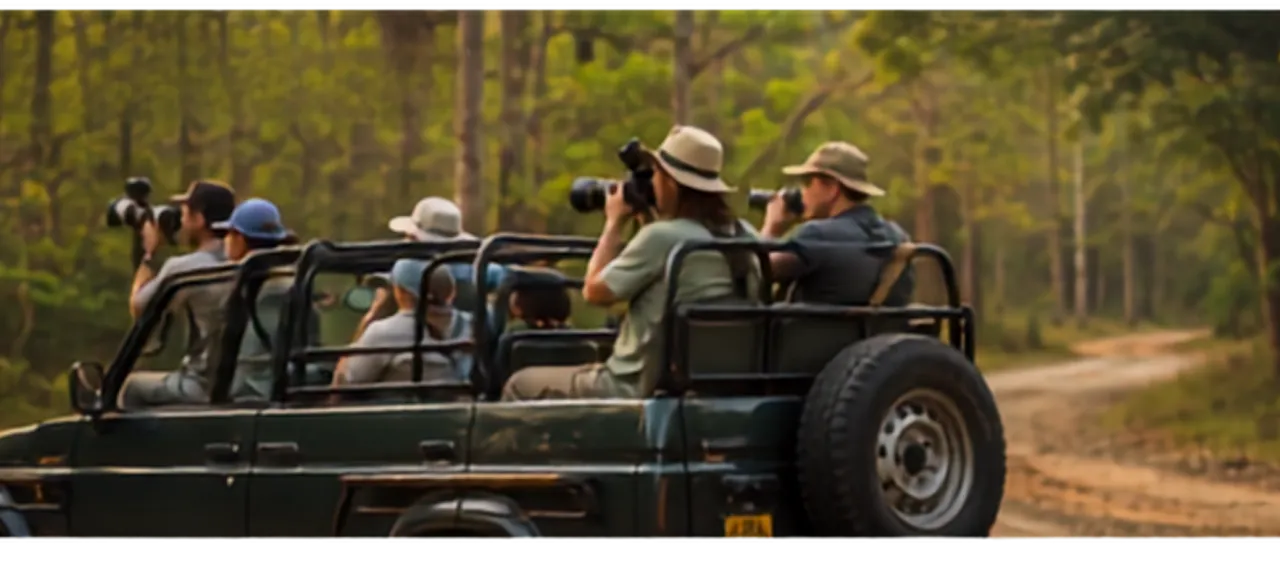
Safari costs vary depending on the zone, vehicle type, and visitor nationality.
Typical expenses include:
- Forest entry fees
- Vehicle charges
- Guide fees
- Online booking charges
For Indian visitors, a standard jeep safari generally costs between ₹4,000 and ₹8,000 per vehicle, depending on the zone and season.
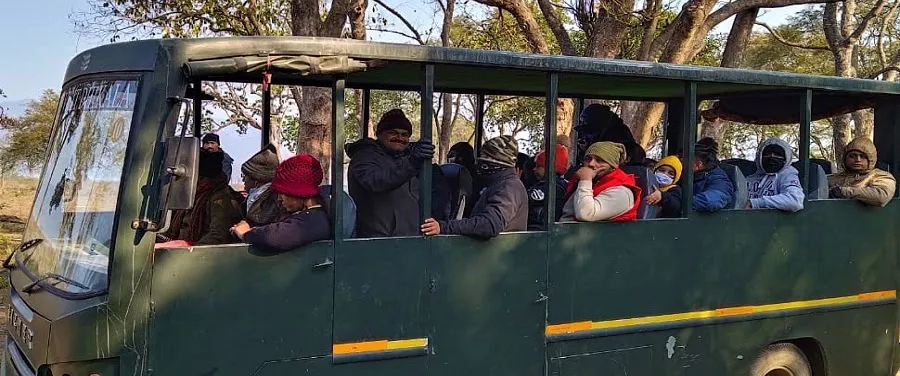
Canter safaris, available primarily in the Dhikala Zone, are usually more economical per person.
How to Book a Jim Corbett Safari
Booking a safari is relatively straightforward if done in advance.
Step 1: Select Your Preferred Zone
Research the various safari zones and decide which one best suits your interests. If tiger sightings are your primary goal, Dhikala and Bijrani are often preferred.
Step 2: Choose Your Safari Date
Safari permits are limited and can sell out quickly, especially during weekends, holidays, and peak tourist seasons. Booking several weeks in advance is strongly recommended.
Step 3: Provide Visitor Details
The forest department requires:
- Full name
- Age
- Gender
- Valid identification details
The original ID used during booking must be carried during the safari.
Step 4: Complete Payment
Once payment is processed and permits are confirmed, your safari booking is secured.
When Should You Book Your Safari?
For the best availability:
- Peak Season (October–February): Book 30–60 days in advance.
- Long Weekends and Holidays: Book even earlier.
- Summer Season (March–June): Book 15–30 days in advance.
- Monsoon Season (July–September): Availability is generally easier.
Why Your Choice of Stay Matters
A safari may last only a few hours, but your accommodation shapes the entire Corbett experience.
Many large resorts near Corbett host hundreds of guests at a time, making personalized attention difficult. Travelers increasingly seek smaller boutique properties that allow them to relax and reconnect with nature before and after their safari adventures. Our farmstay vs resort comparison explains why boutique stays are becoming the preferred choice for discerning travellers.
Stay Close to Nature at Corbett Foothills Retreat
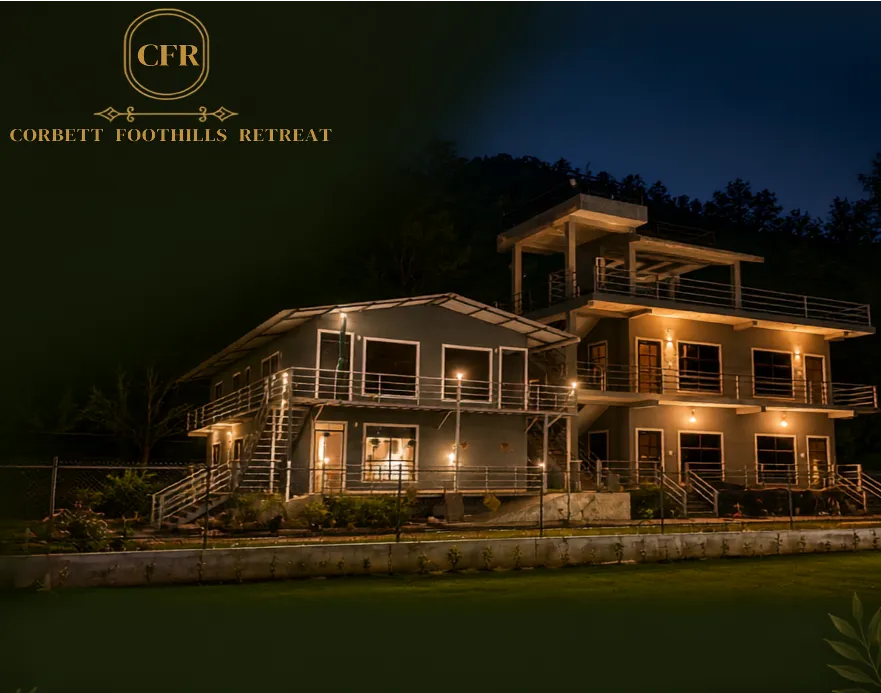
Located just a short drive from Jim Corbett National Park, Corbett Foothills Retreat offers a peaceful base for safari-goers seeking a more intimate experience. Unlike large commercial resorts, the retreat features only six thoughtfully designed rooms, allowing hosts to provide personalized attention and tailored recommendations for each guest.
Surrounded by forest landscapes and fresh mountain air, guests can begin their mornings with birdsong, enjoy farm-fresh meals, explore organic farming initiatives, and return from safari to a tranquil setting far removed from crowded tourist hubs.
Frequently Asked Questions
What are the different safari zones in Jim Corbett National Park?
Jim Corbett National Park is divided into several tourism zones, each offering unique landscapes and wildlife experiences. The main zones are Dhikala (the largest, with vast grasslands and riverbeds), Bijrani (accessible from Ramnagar with excellent wildlife viewing), Jhirna (open year-round), Dhela (diverse landscapes), Garjia (newer with growing wildlife activity), and the Sitabani Forest Area (popular for nature walks and birdwatching).
Which safari zone is best for tiger sightings?
Dhikala Zone is considered the crown jewel of Corbett and offers some of the best opportunities for tiger sightings, with its vast grasslands and riverbeds supporting high wildlife density. Bijrani Zone is another top choice, known for good tiger movement and dense forests. For visitors specifically seeking tiger sightings, both Dhikala and Bijrani are preferred zones.
How much does a Jim Corbett safari cost in 2026?
For Indian visitors, a standard jeep safari generally costs between ₹4,000 and ₹8,000 per vehicle, depending on the zone and season. This includes forest entry fees, vehicle charges, guide fees, and online booking charges. Canter safaris, available primarily in the Dhikala Zone, are usually more economical per person.
How do I book a Jim Corbett safari?
Booking involves four steps: first, select your preferred safari zone based on your interests; second, choose your safari date (permits are limited and sell out quickly, especially during weekends and holidays); third, provide visitor details including full name, age, gender, and valid identification; and fourth, complete payment. The original ID used during booking must be carried during the safari. Booking several weeks in advance is strongly recommended.
When should I book my Corbett safari?
During peak season from October to February, book 30 to 60 days in advance. For long weekends and holidays, book even earlier. In summer from March to June, book 15 to 30 days ahead. Availability is generally easier during monsoon season from July to September.
Which safari zone is open year-round?
The Jhirna Zone remains open throughout the year, making it a popular choice during seasons when other zones may be closed, such as the monsoon season. This makes it a reliable option for visitors travelling during the rainy months when many other zones are inaccessible.
What identification is required for the safari?
The forest department requires valid identification details during booking, including full name, age, and gender of each visitor. The original identification document used during the booking process must be carried and presented during the safari.
Final Thoughts
A well-planned safari can become the highlight of your Jim Corbett journey. By choosing the right safari zone, booking early, and staying close to nature, visitors can maximize both wildlife sightings and overall travel experience.
Whether you’re hoping to spot the elusive Bengal tiger, photograph exotic birds, or simply immerse yourself in the beauty of the Himalayan foothills, Jim Corbett National Park continues to offer one of India’s most rewarding wildlife adventures. Plan your safari stay today.
Plan Your Stay at Corbett Foothills Retreat
Experience the tranquility of a boutique farmstay with personalised hospitality, organic farm-to-table dining, and easy access to Jim Corbett National Park.