
Jim Corbett National Park is one of India’s most celebrated wildlife destinations. Every year, hundreds of thousands of visitors arrive hoping to spot tigers, reconnect with nature, and enjoy a memorable escape from city life.
Yet surprisingly, not everyone leaves satisfied.
Browse travel forums, social media groups, or online reviews, and you’ll find a recurring theme: some visitors feel that their experience didn’t live up to expectations.
The good news is that most disappointments aren’t caused by Jim Corbett itself. They’re usually the result of unrealistic expectations, poor planning, misleading information, or choices that don’t align with the kind of experience travellers are actually seeking.
If you’re planning a visit, understanding these common pitfalls can help ensure that your trip becomes everything you hoped it would be.
1. Expecting a Tiger on Every Safari
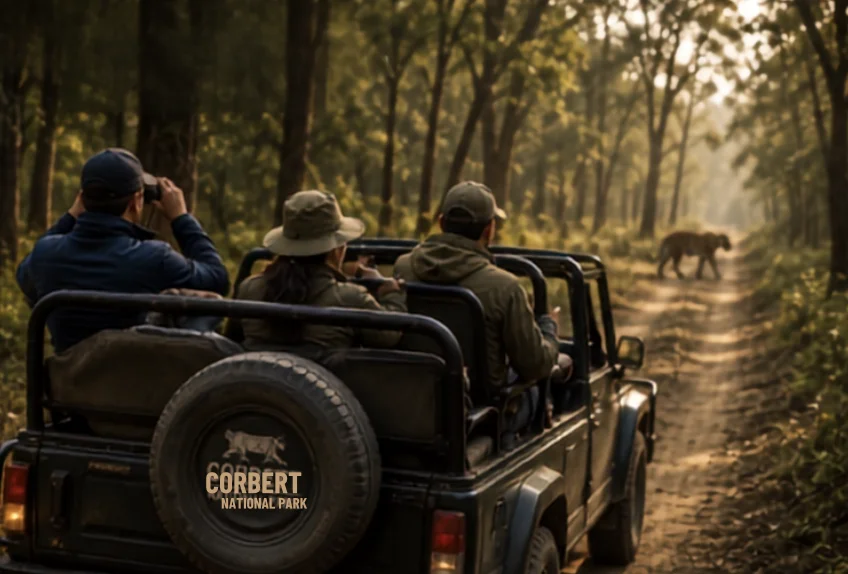
Perhaps the biggest misconception about Jim Corbett is that a tiger sighting is guaranteed.
It isn’t.
Despite being one of India’s premier tiger reserves, Corbett is still a vast wilderness. Tigers are wild animals, not performers waiting for visitors. Even experienced wildlife photographers sometimes spend multiple safaris without a sighting.
Many first-time visitors arrive after watching dramatic wildlife documentaries or social media reels and assume they will see multiple tigers during a single safari.
The reality is different.
A successful safari may include elephants, deer, birds, crocodiles, beautiful forest landscapes, animal tracks, alarm calls, and glimpses of countless other species. A tiger sighting is a bonus, not a certainty.
Visitors who appreciate the broader ecosystem often leave with richer memories than those focused solely on spotting one animal.
2. Visiting During the Wrong Season
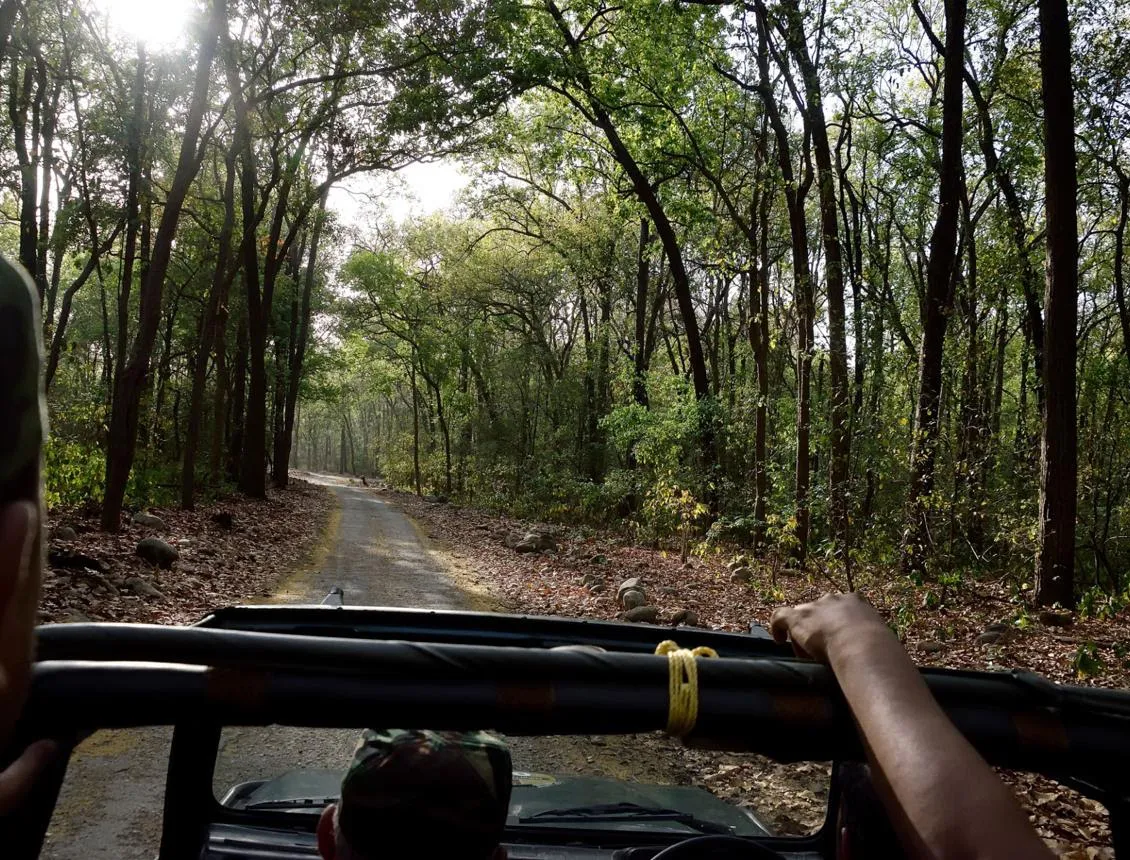
Another common source of disappointment is arriving at the wrong time for the experience you want.
Many travellers don’t realize that every season offers something different.
Winter brings pleasant weather and excellent birdwatching.
Summer often provides better chances of wildlife sightings near water sources.
The monsoon transforms the landscape into a lush green paradise, though some safari zones may be inaccessible.
Visitors who book without understanding seasonal differences sometimes find that conditions don’t match the images they saw online.
Researching the season before booking can make a significant difference to your overall experience.
3. Choosing a Resort Instead of Choosing an Experience
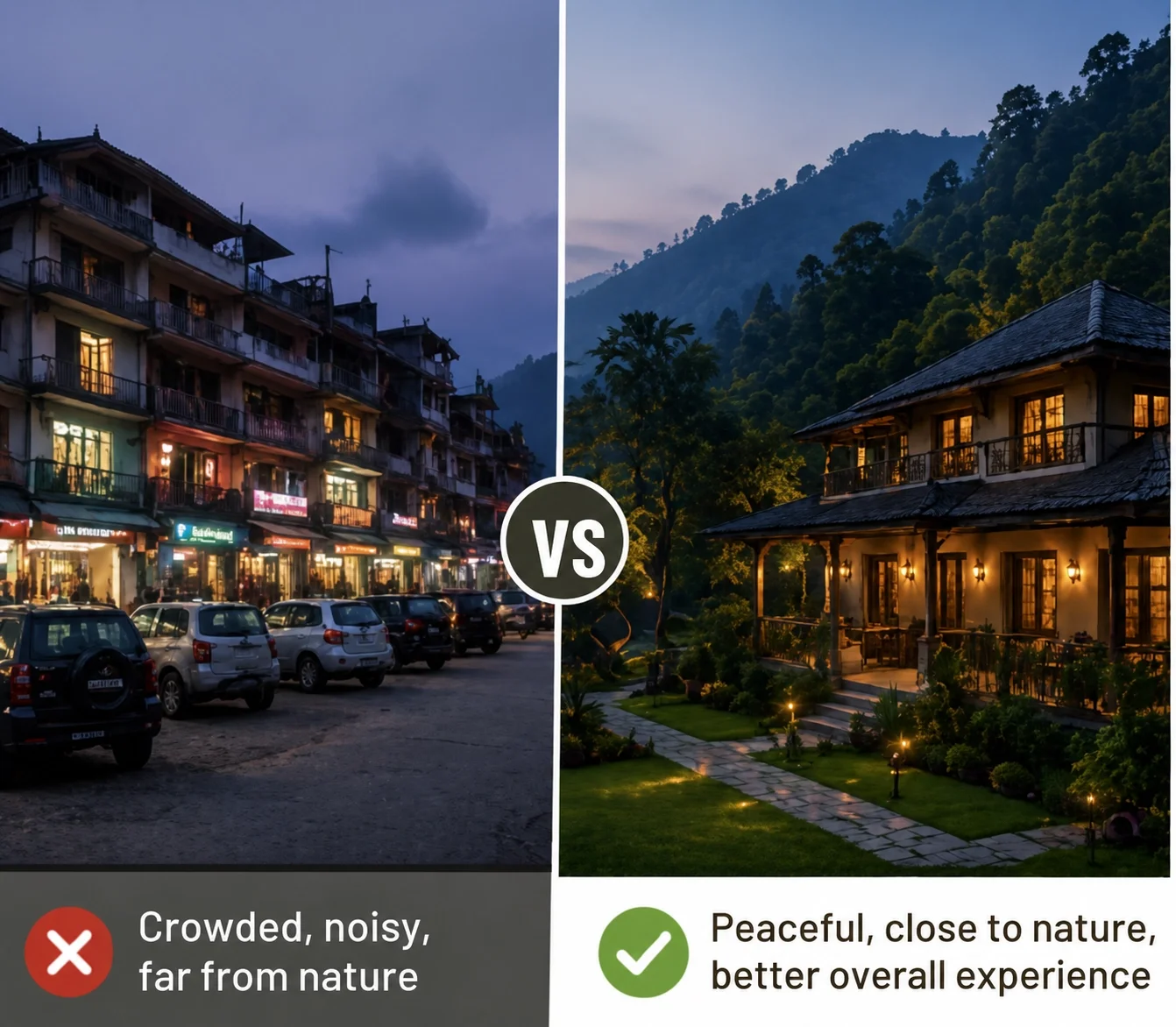
One of the most overlooked mistakes is selecting accommodation based solely on glossy photographs.
The Jim Corbett region has seen rapid tourism growth over the years. While there are many excellent properties, there are also establishments that focus heavily on marketing while delivering an experience that feels disconnected from nature. Understanding the difference between a boutique farmstay and a large resort can help you make the right choice for your trip.
Some travellers arrive expecting peaceful forest surroundings and discover loud music, crowded swimming pools, party-focused environments, or heavily commercialized settings.
For visitors seeking a genuine nature experience, the accommodation itself often shapes the trip as much as the safari.
Properties — like the Corbett Foothills Retreat — that prioritize tranquility, open spaces, local experiences, and responsible tourism tend to create more meaningful memories than those focused purely on entertainment.
4. Overcrowding in Popular Safari Zones
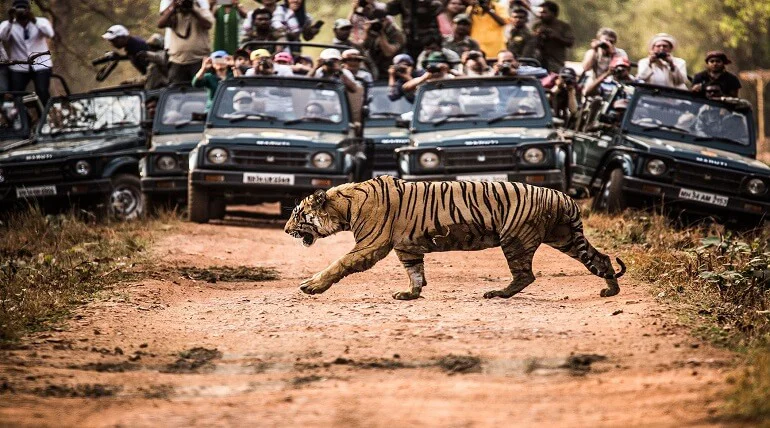
Success can sometimes create its own challenges.
Certain safari zones receive tremendous visitor demand, especially during weekends, holidays, and peak travel seasons.
While the forest itself remains beautiful, heavy vehicle movement can occasionally reduce the feeling of solitude that many visitors expect from a wilderness destination.
This isn’t unique to Corbett. Popular national parks around the world face similar challenges.
Travellers who visit during weekdays, avoid holiday rushes, or explore less crowded experiences around the region often enjoy a more relaxed and immersive trip.
5. The Growing Cost of Tourism
Many first-time visitors are surprised by the overall cost of a Corbett holiday.
Safari permits, guide fees, transportation, accommodation, dining, and local activities can add up quickly. In some areas, visitors also encounter inflated prices for food, transportation, or tourist-oriented services.
This can create frustration when expectations don’t align with actual expenses. The key is to budget realistically and understand costs beforehand rather than assuming that every aspect of the destination will be inexpensive.
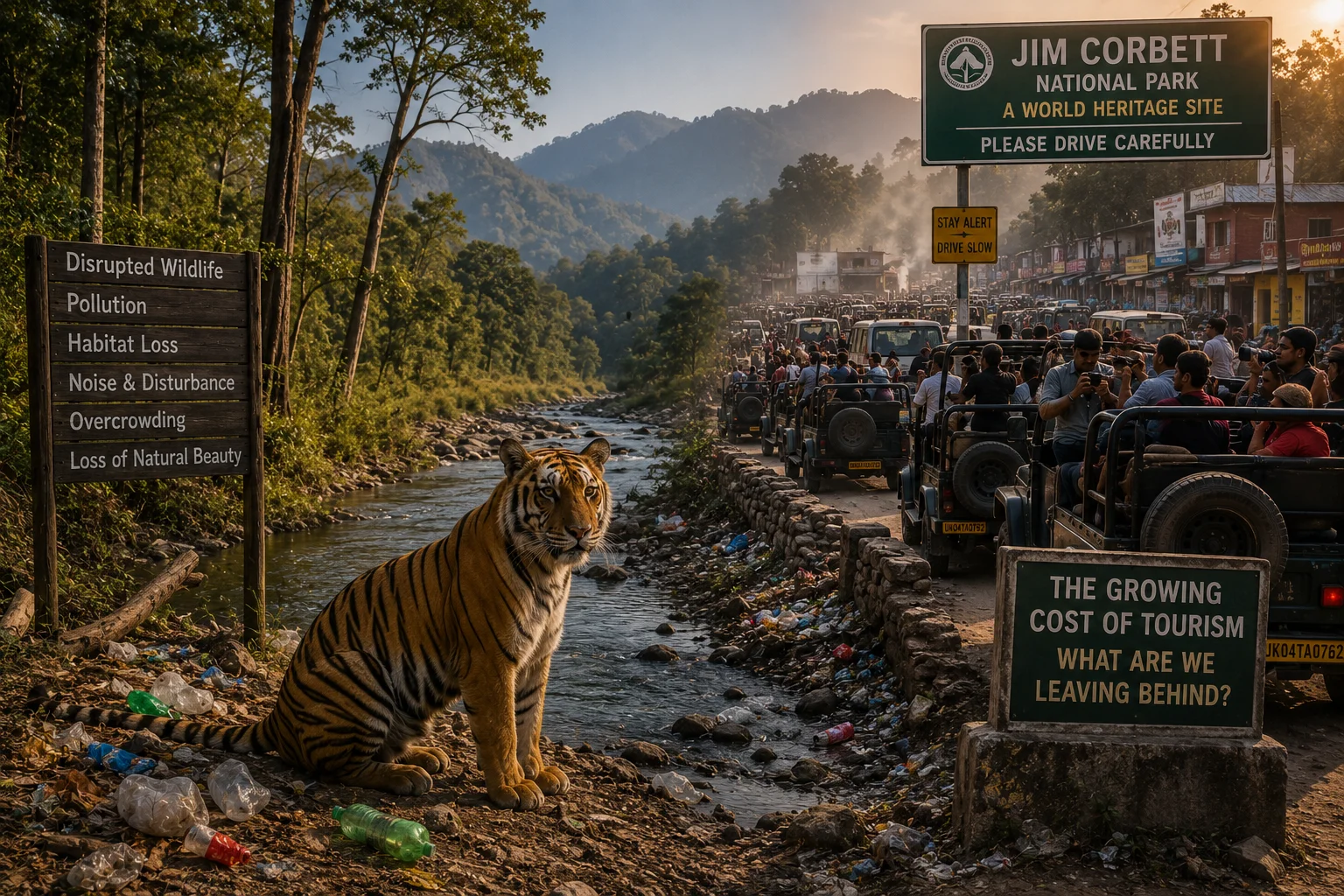
While visitors often focus on the cost of permits, accommodation, and travel, there is another price that is not reflected on any bill—the cost borne by the forests, rivers, wildlife, and local communities.
Every discarded plastic bottle, every unnecessary vehicle trip, every instance of noise near wildlife habitats, and every unsustainable construction project leaves a footprint on this delicate landscape. The challenge facing destinations like Jim Corbett is not tourism itself, but ensuring that growth does not come at the expense of the environment that makes the region worth visiting.
As travelers, our choices matter. By embracing responsible tourism practices and supporting businesses that prioritize sustainability, we can help ensure that future generations experience the same forests, wildlife, and natural beauty that inspire visitors today.
6. Misleading Advertising and Unrealistic Promises
Tourism marketing can sometimes create unrealistic expectations.
Photos may exaggerate proximity to the forest.
Descriptions may imply guaranteed wildlife sightings.
Some properties present themselves as deeply immersed in nature while actually being located in heavily developed areas.
This doesn’t mean every advertisement is misleading, but travellers should approach promotional claims with a healthy degree of skepticism.
Reading detailed reviews, checking maps, and asking questions before booking can prevent unpleasant surprises later.
7. Treating the Destination Like an Amusement Park
Modern travel culture often encourages people to rush from one attraction to another.
Jim Corbett doesn’t reward that mindset.
The destination is best experienced slowly.
The sounds of birds at dawn, changing forest light, conversations with local residents, riverside walks, and quiet moments outdoors are often the experiences people remember most.
Visitors who arrive expecting constant excitement can miss what makes the region special.
8. Social Media Has Changed Expectations
A growing challenge facing destinations worldwide is the influence of social media.
Many visitors arrive with a mental image shaped by carefully edited videos, dramatic wildlife encounters, and picture-perfect travel content. What these highlights rarely show are the hours of waiting, multiple safari attempts, changing weather conditions, or the simple reality that nature follows its own rules.
At Corbett Foothills Retreat, we believe that setting realistic expectations is one of the most important ways to help guests enjoy their visit. Rather than promising guaranteed tiger sightings or showcasing only extraordinary moments, we encourage travellers to appreciate the broader experience that Jim Corbett offers—its forests, birdlife, rivers, landscapes, local culture, and the opportunity to slow down and reconnect with nature.
Real travel is often less dramatic than social media, but far more rewarding. The most memorable trips usually happen when travellers remain open to whatever the destination offers rather than chasing a specific photograph, tiger sighting, or viral moment.
9. Responsible Tourism Is Still a Work in Progress
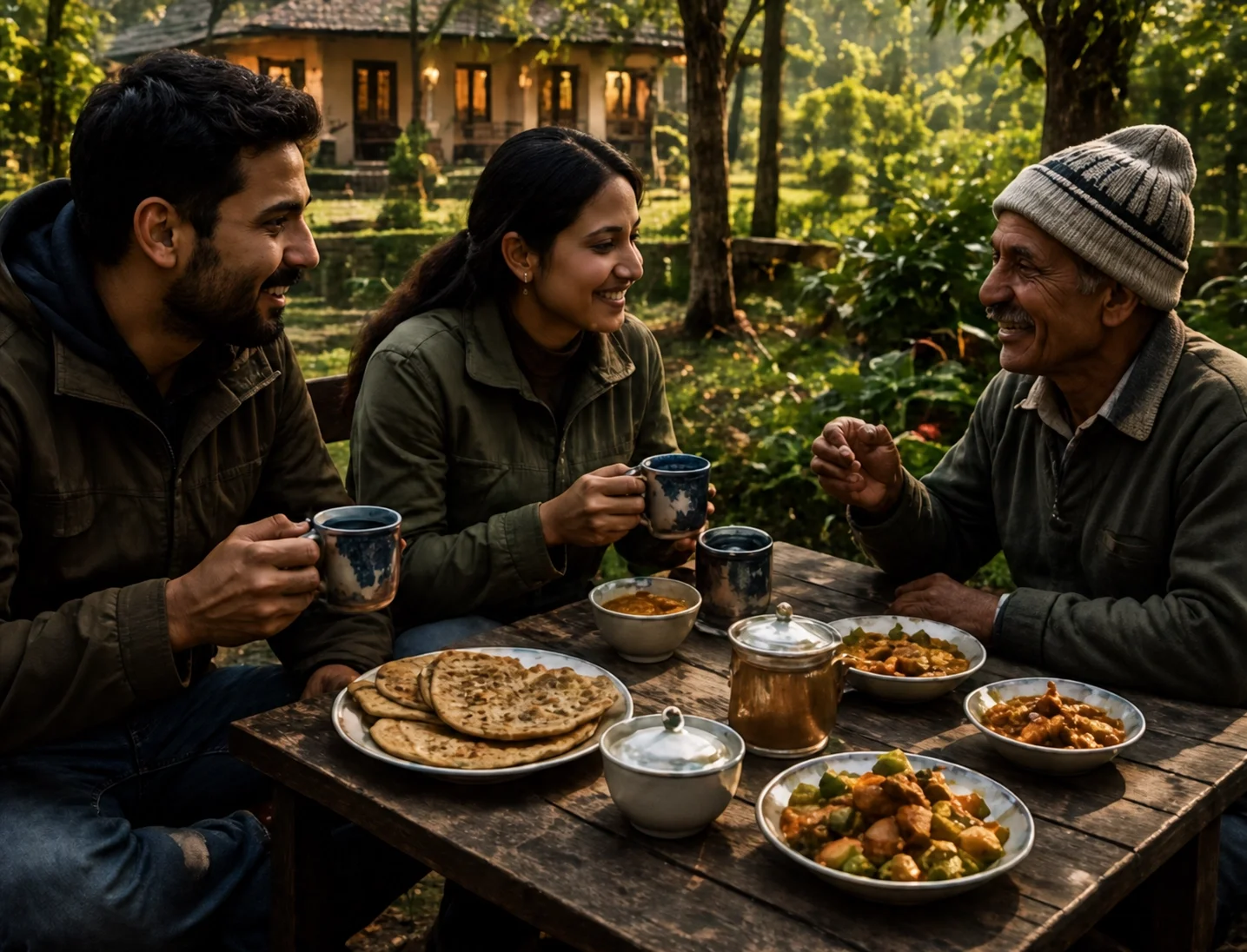
The popularity of Jim Corbett has created opportunities for local communities, guides, drivers, homestays, and businesses. Tourism supports thousands of livelihoods across the region.
At the same time, rapid growth has brought challenges.
Noise pollution, littering, overcrowding, irresponsible driving, and short-term commercial thinking can sometimes undermine the very environment that attracts visitors in the first place.
Fortunately, many local businesses, guides, conservation-minded operators, and responsible travellers are working to change this.
Properties such as Corbett Foothills Retreat are part of a small but growing movement that believes tourism should benefit both visitors and the destination itself. The goal is not simply to attract more tourists, but to encourage experiences that respect nature, support local communities, and preserve the character of the region for future generations.
This is not always the easiest path in a competitive tourism market, but it is increasingly the path that conscious travellers are seeking.
The Best Jim Corbett Experience Starts With the Right Expectations
Most visitors who leave Jim Corbett disappointed aren’t disappointed by the forest.
They’re disappointed by the gap between expectations and reality.
When travellers arrive expecting guaranteed tiger sightings, luxury at every price point, empty safari routes, and social-media-perfect experiences, disappointment becomes more likely.
When they arrive seeking nature, wildlife, fresh air, slower living, and meaningful experiences, they often discover why Jim Corbett remains one of India’s most beloved destinations.
The forest has never promised perfection.
What it offers instead is something rarer: authenticity.
And for those willing to embrace that, the experience can be unforgettable.
Plan Your Stay at Corbett Foothills Retreat
Experience the tranquility of a boutique farmstay with personalised hospitality, organic farm-to-table dining, and easy access to Jim Corbett National Park.